


Arcade Machine Gamification and Reward Mechanics Guide: Boosting Engagement
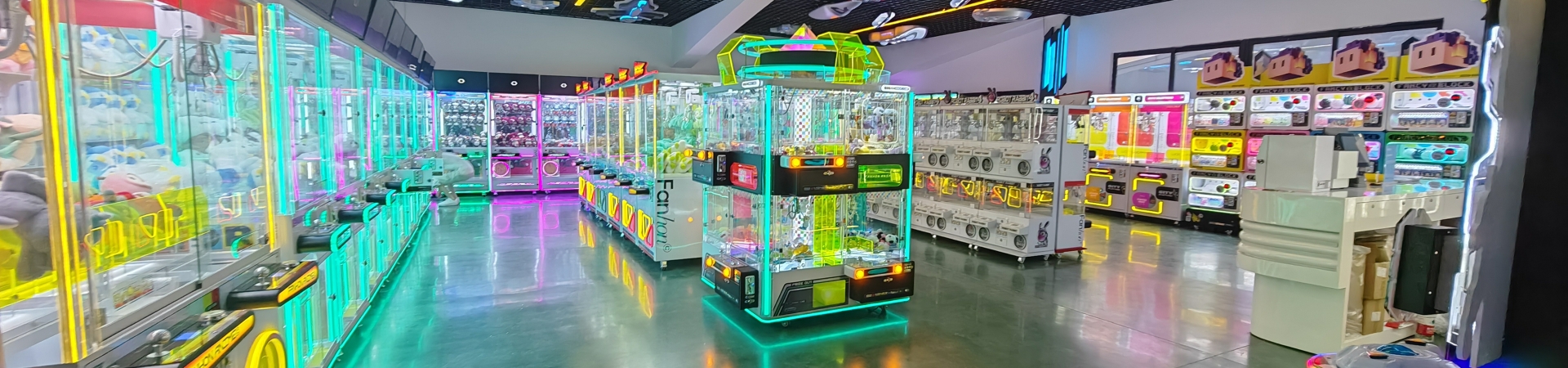
Arcade gamification and reward mechanics are the design features and system rules used to make arcade games more exciting, engaging, and rewarding for players. For B2B buyers operating claw machines, prize machines, and family entertainment centers (FECs), simply having a machine that takes money and drops a prize is no longer enough. Modern players expect a dynamic experience. By integrating digital displays, jackpots, streak bonuses, and interactive lighting, operators can turn a standard game into a highly engaging attraction that drives repeat play and higher revenue.
This guide explains the core gamification principles and how to apply them to arcade equipment from a manufacturer's perspective.
Why Gamification Matters
Gamification taps into human psychology.
Engagement mechanics help venues:
Increase playtime and average spend per visit
Create a "near-miss" excitement that encourages another try
Differentiate the venue from competitors with basic machines
Generate social media buzz (e.g., hitting a jackpot)
Build a sense of progression and achievement for players
A gamified machine feels like an experience, not just a transaction.
Core Reward Mechanics for Arcades
Certain mechanics are proven to drive engagement.
| Mechanic | How It Works | Best Applied To |
|---|---|---|
| Jackpots | A large, rare prize or bonus that triggers after specific conditions. | Claw machines, redemption games. |
| Streaks/Combos | Rewarding players for consecutive wins or fast play. | Skill-based games, basketball, shooters. |
| Mystery Prizes | A random bonus or prize swap activated by the machine. | Claw machines, capsule machines. |
| Interactive Lighting | Lights that react to gameplay, wins, or near-misses. | All modern arcade cabinets. |
| Progressive Jackpots | A jackpot that grows with every play across multiple machines. | Linked gaming networks. |
These mechanics should be adjustable by the operator based on payout goals.
Designing the Jackpot Experience
Jackpots are the ultimate motivator.
Design considerations:
Visual and Audio: Use large screens, flashing lights, and celebratory sounds when a jackpot hits.
Progression: Show players how close they are to the jackpot (e.g., a progress bar).
Frequency: The jackpot should be rare enough to be special, but frequent enough to feel achievable.
Prize Value: Offer a high-value, highly visible prize (e.g., a giant plush, a game console).
A jackpot creates a crowd and a story.
The "Near-Miss" Effect
The feeling of almost winning is powerful.
How to implement:
Ensure the claw closes fully but slips slightly on certain grips.
Use lighting or sound to highlight a near-miss.
In digital games, show the winning line just missing the center.
Be careful not to make it feel unfair or rigged, as this causes frustration.
Interactive Features and Lighting
Modern machines can react to the player.
Features to consider:
Reactive LEDs: Lights change color or flash based on the player's actions or the game state.
Digital Screens: Display animations, countdowns, or a leaderboard.
Sound Effects: Dynamic audio that builds tension during the grab.
These features make the machine feel "alive" and responsive.
Progression and Streak Systems
Rewarding consistency keeps players playing.
Ideas:
Win Streaks: Win 3 times in a row, get a bonus play or a premium prize.
Play Counters: Every 10th play guarantees a win or gives a special token.
VIP Status: Tracked via cashless cards, unlocking better multipliers or exclusive machines.
Progression gives players a reason to return.
Balancing Gamification with Profitability
Engagement must be balanced with payout costs.
Considerations:
Calculate the cost of jackpots and bonuses into your overall payout rate.
Ensure the game is still profitable per play.
Adjust the difficulty of streaks or jackpots based on machine performance data.
Use gamification to drive volume (more plays) rather than just giving away high-value items.
The goal is to create a fun, sustainable economy.
Common Gamification Mistakes
Operators sometimes make avoidable mistakes:
Making the game feel rigged or unfair.
Setting jackpots too high (never hits) or too low (no profit).
Ignoring the audio-visual experience (leaving the machine dark and quiet).
Overcomplicating the rules so players don't understand how to win.
Failing to update software or features on older machines.
These mistakes reduce the effectiveness of the gamification.
Practical B2B Insights
From a manufacturer's perspective, gamification works best when it is built into the machine's core design.
First, choose machines with modern control boards that support jackpots and interactive features.
Second, use the software settings to adjust the difficulty and frequency of bonuses based on your local audience.
Third, train staff to celebrate wins with the players to amplify the excitement.
Fourth, use the game's digital features to display high scores or jackpot winners on social media.
Fifth, review the data regularly to ensure the gamification is driving profit, not just playtime.
Frequently Asked Questions
What is gamification in an arcade?
It is the use of game design elements (like points, jackpots, and streaks) to make arcade games more engaging and rewarding.
How do I set a claw machine jackpot?
You can set a jackpot to trigger after a certain number of plays or specific win conditions, depending on the machine's software capabilities.
What is a "near-miss"?
It's when a player almost wins, which creates excitement and encourages them to try again.
Are interactive lights worth it?
Yes, they draw attention, increase excitement, and make the machine look modern and premium.
How do I prevent gamification from ruining my profit margin?
Carefully adjust the payout rate and jackpot frequency based on your costs and data. Use it to increase volume.
Can I add gamification to older machines?
Some older machines can be retrofitted with new control boards or lighting, but it depends on the model.
What is a progressive jackpot?
A jackpot that increases in value with every play across linked machines until someone wins it.
How do I promote a jackpot win?
Take photos/videos, announce it on social media, and celebrate with the player. It proves the machine is winnable.
Conclusion
Gamification and reward mechanics like jackpots, streaks, and interactive lighting transform standard arcade games into engaging experiences that drive repeat play.
For B2B buyers operating claw machines, prize machines, and arcade equipment, investing in gamified machines is a key strategy for modernizing the venue and maximizing revenue.
If you are planning an arcade equipment order, contact us for machine options with advanced gamification features, product specifications, and wholesale pricing.