


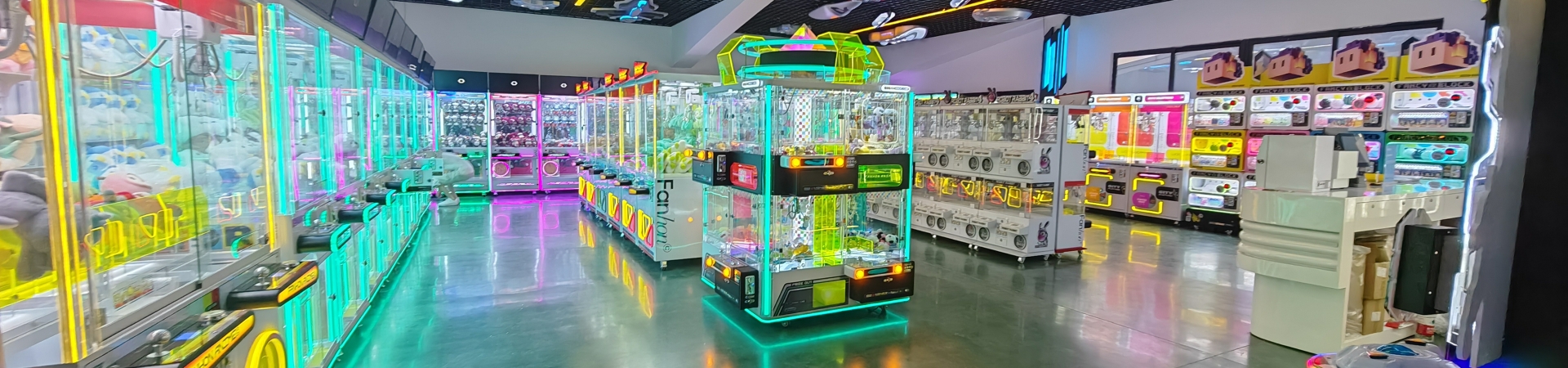
Arcade Machine Insurance Claims Guide: How to Handle Damage and Loss
Arcade machine insurance claims are the formal processes used to seek financial reimbursement from an insurance provider after a covered loss, such as equipment damage, theft, fire, or water damage. For B2B buyers operating claw machines, prize machines, and family entertainment centers (FECs), having an insurance policy is only half the battle. Knowing how to properly document an incident, file a claim, and negotiate with the adjuster is critical to actually receiving the payout you need to repair or replace your assets.
This guide explains the step-by-step process of handling insurance claims from a venue management perspective.
Why Proper Claims Handling Matters
A poorly documented claim can be denied or undervalued.
Effective claims handling helps venues:
Recover the full cost of repairs or replacement
Minimize business downtime
Maintain a good relationship with the insurer
Identify root causes to prevent future losses
Protect cash flow during unexpected disruptions
Insurance is a safety net, but you have to know how to use it.
Immediate Steps After an Incident
The first 24 hours are crucial.
Action checklist:
Ensure Safety: Make sure no one is injured. Call emergency services if necessary.
Stop Further Damage: Turn off power, shut off water, or secure the area.
Document Everything: Take photos and videos before moving anything. Capture wide shots and close-ups of the damage.
Notify the Insurer: Report the claim as soon as possible (usually within 24-48 hours).
Secure the Scene: Prevent theft or further tampering.
Keep Evidence: Do not throw away damaged parts or packaging until the adjuster has seen them.
Documentation taken immediately is the most valuable evidence.
Types of Covered Incidents for Arcades
Insurance covers various types of losses.
| Incident Type | Examples | Key Evidence Needed |
|---|---|---|
| Fire/Smoke | Electrical fire, kitchen fire | Fire department report, photos of damage |
| Water Damage | Burst pipe, flooding | Plumber's report, moisture readings, photos |
| Theft/Burglary | Stolen cash, stolen prizes | Police report, CCTV footage, inventory records |
| Vandalism | Broken screens, damaged cabinets | Police report, photos, repair estimates |
| Equipment Breakdown | Control board failure, motor burnout | Technician report, maintenance logs |
| Shipping Damage | Crushed cabinet, broken glass | Bill of lading, delivery receipt, photos before unpacking |
Always check your specific policy for coverage and exclusions.
Documenting the Damage
The adjuster relies on your documentation.
Best practices:
Photos/Videos: Take clear, well-lit photos from multiple angles. Show the extent of the damage and the surrounding area.
Inventory Records: Provide receipts, serial numbers, and purchase dates for the damaged equipment.
Repair Estimates: Get at least two quotes from qualified technicians or manufacturers.
Witness Statements: If staff or customers witnessed the incident, get brief written statements.
The more organized your documentation, the faster the claim process.
Filing the Claim
The formal process begins with the claim form.
Steps:
Fill out the insurer's claim form accurately and completely.
Attach all required documentation (photos, police reports, estimates).
Keep a copy of everything you submit.
Submit the claim within the policy's time limits.
Ask for a claim reference number and the adjuster's contact info.
Be transparent and factual in your submission.
Working with the Adjuster
The adjuster investigates the claim.
Tips for a smooth process:
Be available and responsive to emails and calls.
Provide access to the damaged equipment and records.
Understand the difference between "Actual Cash Value" (ACV) and "Replacement Cost Value" (RCV).
Do not sign a final settlement until you understand the breakdown and agree it is fair.
You can negotiate with the adjuster if the payout seems too low.
Recovering Business Income
If the venue must close, business interruption insurance may apply.
Requirements:
Show proof of lost revenue based on historical data.
Provide records of ongoing expenses (rent, salaries).
Document the period of closure.
Maintain clear communication with the adjuster about reopening plans.
Business interruption claims require strong financial documentation.
Common Insurance Claim Mistakes
Operators sometimes make avoidable mistakes:
Failing to report the incident promptly.
Throwing away damaged equipment before inspection.
Not having an equipment inventory or serial numbers.
Exaggerating the damage or the claim value (leads to denial or fraud charges).
Failing to get multiple repair quotes.
Not understanding policy deductibles and exclusions.
Signing a settlement without reviewing it carefully.
These mistakes can reduce your payout or invalidate your claim.
Practical B2B Insights
From a venue management perspective, claims handling works best when you are prepared before a loss occurs.
First, keep a detailed equipment inventory (models, serial numbers, purchase dates, values) in a safe, accessible place.
Second, review your policy annually to ensure coverage limits match your current equipment value.
Third, train staff on emergency response and incident documentation.
Fourth, maintain good maintenance records, as they support equipment breakdown claims.
Fifth, do not accept the first settlement offer without reviewing the breakdown of costs.
Frequently Asked Questions
What should I do immediately after arcade machine damage?
Ensure safety, stop further damage, take photos/videos, notify your insurer, and secure the scene.
How long do I have to file an insurance claim?
This depends on your policy, but most require notice within 24 to 72 hours and formal claims within 30 to 60 days. Check your policy.
What is the difference between ACV and RCV?
Actual Cash Value (ACV) is the depreciated value of the equipment. Replacement Cost Value (RCV) is the cost to buy a new equivalent machine. RCV costs more but provides a better payout.
Do I need a police report for theft or vandalism?
Yes, a police report is usually required for any claim involving theft or intentional damage.
What if my claim is denied?
Review the reason for the denial. You can appeal with additional evidence, or if it is a complex dispute, consider hiring a public adjuster or consulting a lawyer.
Can I upgrade my equipment during the claim process?
Standard policies usually replace with like-kind and quality. If you want to upgrade, you may need to pay the difference out of pocket.
How do I prove lost business income?
Use historical financial records, tax returns, and daily sales reports to show what your revenue would have been during the closure period.
What documents should I keep for an equipment inventory?
Keep the model, serial number, purchase price, date of purchase, and photos of each arcade machine.
Conclusion
Handling insurance claims involves immediate documentation, prompt reporting, working with adjusters, and understanding your policy coverage. A proactive approach ensures you maximize your payout and get back to business quickly.
For B2B buyers operating claw machines, prize machines, and arcade equipment, being prepared for claims is a vital part of risk management.
If you are planning an arcade equipment order, contact us for detailed invoices, product specifications, and wholesale pricing to support your insurance needs.