


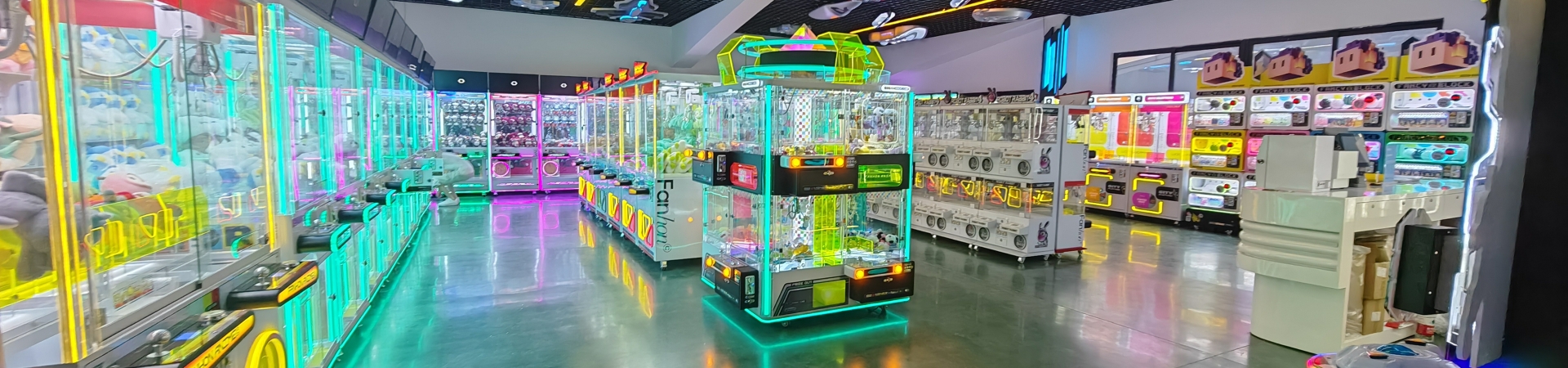
Arcade Machine Sound and Acoustic Management Guide: Optimizing the Audio Environment
Arcade sound and acoustic management involve controlling the audio environment of a commercial arcade or family entertainment center (FEC). It includes speaker placement, volume settings, zoning noisy machines, and acoustic treatments. For B2B buyers operating claw machines, prize machines, and arcade games, audio is a crucial part of the sensory experience. However, without proper management, a venue can quickly become a chaotic, deafening space that causes customer fatigue and drives people away. A balanced audio environment enhances gameplay, creates atmosphere, and improves overall customer comfort.
This guide explains how to manage sound and acoustics from a venue planning perspective.
Why Sound Management Matters
Arcades are naturally loud, but uncontrolled noise is a negative.
Good acoustic management helps venues:
Prevent customer and staff fatigue
Improve the overall guest experience
Allow for clear communication
Create distinct zones for different types of gameplay
Enhance the immersive atmosphere of games
Prevent noise complaints from neighboring businesses
A well-tuned arcade feels energetic and exciting, not overwhelming.
Zoning Noisy and Quiet Areas
Different games generate different noise levels.
| Zone Type | Noise Level | Placement Strategy |
|---|---|---|
| High-Energy Zone (Dance, Racing, Shooting) | Very Loud | Keep away from entrances, party rooms, and quiet zones |
| Standard Arcade Zone (Video Games, Claw Machines) | Moderate | Central areas with some sound absorption |
| Kiddie Zone (Small Rides, Easy Games) | Moderate to Loud | Near seating, but away from adult high-energy games |
| Party/Event Room | Controlled | Use soundproofing and closed doors |
| Rest/Seating Area | Quiet | Place farthest from loud machines, use soft furnishings |
Zoning keeps loud games from disrupting other customers.
Speaker Placement and Directional Audio
Where speakers are placed affects the entire venue.
Considerations:
Directional Speakers: Point speakers directly at the player, not across the room.
Machine-Level Audio: Use built-in machine speakers rather than a venue-wide PA system for gameplay sounds.
Background Music: Use ceiling speakers evenly distributed for background music, separate from game audio.
Subwoofers: Avoid excessive bass that travels through walls; use them sparingly in high-energy zones.
Keep game sounds localized to the machines.
Volume Control and Balancing
You need control over the noise level.
Strategies:
Ensure each machine has an adjustable volume control.
Set a maximum volume limit for all games.
Balance the volume so individual machines do not overpower others.
Adjust volumes based on the time of day (e.g., lower in the morning, higher on Friday nights).
Empower staff to adjust volumes if a specific machine is too loud.
Consistent volume levels prevent sudden spikes in noise.
Acoustic Treatments and Soundproofing
The physical space can be modified to absorb sound.
Acoustic treatments:
Sound-Absorbing Panels: Install on walls or ceilings in high-noise areas.
Carpets and Rugs: Soft flooring absorbs sound better than hard floors.
Acoustic Ceiling Tiles: Help reduce overall ambient noise.
Curtains and Soft Furnishings: Add texture and absorb sound in party rooms or rest areas.
Partitions: Use physical barriers to block sound between zones.
Soundproofing is especially important for party rooms and boundaries with neighboring businesses.
Managing Customer Communication
Noise makes it hard to talk.
Consider:
Staff Communication: Use two-way radios with earpieces for staff to communicate over noise.
Customer Interactions: Design service counters where staff can hear customers clearly.
Visual Cues: Use screens and signage for announcements instead of PA systems.
Clear communication improves service and safety.
Common Sound Management Mistakes
Operators sometimes make avoidable mistakes:
Not zoning loud and quiet games.
Allowing maximum volume on all machines.
Using a venue-wide PA system for game audio.
Ignoring acoustic treatments (bare walls and hard floors).
Failing to provide staff with communication tools.
Not soundproofing party rooms.
These mistakes lead to a stressful, uninviting environment.
Practical B2B Insights
From a venue management perspective, sound management works best when it is planned early.
First, design the layout with loud games separated from quiet areas and party rooms.
Second, invest in sound-absorbing materials for walls and ceilings.
Third, ensure every machine has an adjustable volume control and set reasonable limits.
Fourth, use directional speakers and localized audio for games.
Fifth, review the sound environment during a busy shift and adjust as needed.
Frequently Asked Questions
Why is sound management important in an arcade?
Uncontrolled noise causes customer fatigue, makes communication difficult, and creates a chaotic atmosphere.
How do I reduce noise from loud arcade games?
Use zoning to separate loud games, set volume limits, and install sound-absorbing panels and carpets.
Should I use a PA system for game sounds?
No, use built-in machine speakers to keep sounds localized. Use a PA system only for venue announcements.
How can I soundproof a party room?
Use solid doors, acoustic panels on walls, and acoustic ceiling tiles. Keep the room away from the loudest machines.
What are the best acoustic treatments for an arcade?
Sound-absorbing wall panels, acoustic ceiling tiles, carpets, and heavy curtains.
How do I manage staff communication in a noisy venue?
Use two-way radios with earpieces or messaging apps on staff devices.
Can customers control the volume on arcade machines?
Customers should not control the volume. Management should set a maximum limit and adjust as needed.
How do I handle noise complaints from neighbors?
Use soundproofing on shared walls, limit volume during late hours, and ensure doors and windows are sealed.
Conclusion
Arcade sound and acoustic management involve zoning, speaker placement, volume control, and acoustic treatments. A balanced sound environment enhances the experience without overwhelming customers.
For B2B buyers operating claw machines, prize machines, and arcade equipment, planning for sound is a vital part of venue design.
If you are planning an arcade equipment order, contact us for machine specifications, volume control options, and wholesale pricing.