


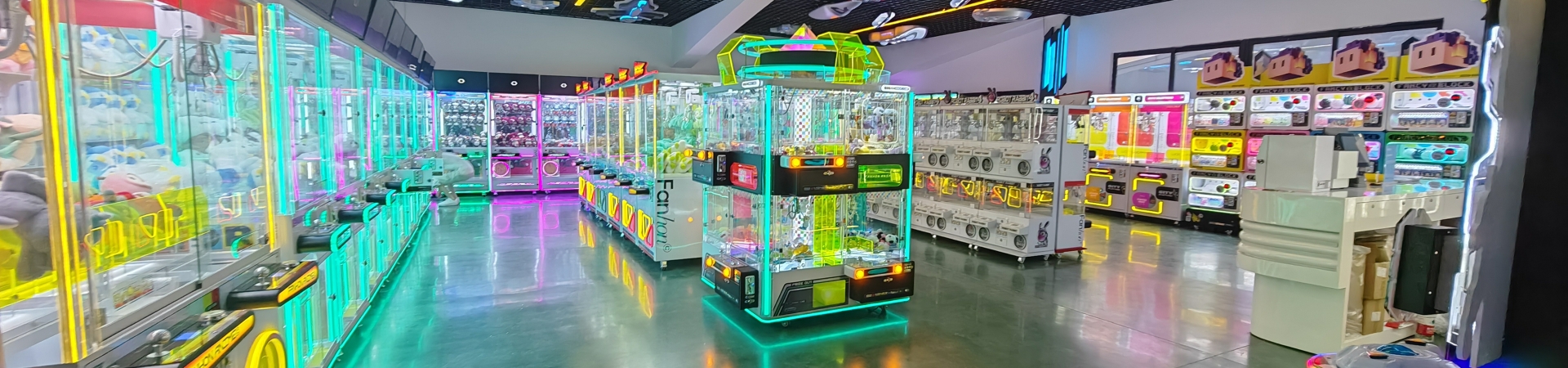
Arcade Machine B2B Digital Twin and Virtual Prototyping Guide
Arcade machine B2B digital twin and virtual prototyping involve the use of advanced 3D modeling software, computer-aided design (CAD), and simulation technologies to design, test, and optimize commercial arcade equipment—such as claw machines, prize machines, and family entertainment center (FEC) games—entirely in a virtual environment before physical production begins. For arcade manufacturers, building physical prototypes is expensive and time-consuming. A digital twin—a virtual replica of the physical machine—allows engineers to test mechanics, visualize cabinet layouts, and catch design flaws before a single piece of wood is cut or metal is welded. This technology accelerates R&D, reduces waste, and allows for rapid customization for B2B buyers.
This guide explains how digital twins and virtual prototyping are transforming arcade machine design.
Why Digital Twins and Virtual Prototyping Matter
Physical prototyping is slow and costly.
Key benefits of virtual prototyping:
Cost Reduction: Eliminates the need for multiple physical prototypes, saving money on materials and labor.
Faster R&D: Engineers can test 10 different cabinet designs in a week using CAD software.
Improved Quality: Simulations can test stress, weight distribution, and ergonomics before building.
Enhanced OEM Customization: Distributors can see a photorealistic 3D render of their custom-branded machine before ordering.
Remote Collaboration: Engineers and clients can review designs together online, regardless of location.
Virtual prototyping turns months of trial-and-error into days of digital iteration.
The Core Technology: 3D CAD Modeling
Everything starts with the digital design.
What it involves:
Parametric Modeling: Creating precise 3D models of the cabinet, claw mechanism, coin doors, and screens.
Assembly Modeling: Ensuring all parts fit together perfectly in the virtual space.
Ergonomic Analysis: Simulating how a player interacts with the machine (e.g., joystick height, screen angle).
Bill of Materials (BOM) Generation: Automatically generating a list of materials and parts from the 3D model.
CAD software like SolidWorks, AutoCAD, or Fusion 360 is the foundation of modern arcade manufacturing.
Simulating Mechanics: The Virtual Claw Machine
Testing how the machine actually works.
How it helps:
Kinematics: Simulating the movement of the X-Y-Z rail system to ensure the claw moves smoothly without colliding with the glass.
Claw Physics: Testing how different claw closing strengths affect various prize weights.
Motor Load: Calculating the stress on the motors to ensure they won't burn out under heavy loads.
Catching a mechanical flaw in the simulation is much cheaper than fixing it on the assembly line.
Virtual Testing for Electronics and Layout
Ensuring the internal components fit.
What is simulated:
Wiring Routing: Mapping out the optimal paths for cables to avoid interference and make maintenance easier.
Heat Dissipation: Simulating airflow inside the cabinet to ensure the power supply and control boards don't overheat.
Component Fit: Ensuring the LCD screens, card readers, and speakers fit perfectly into the designed cutouts.
Internal layout is critical for machine reliability.
Photorealistic 3D Rendering for B2B Sales
Selling the machine before it is built.
How it works:
Visualization: Using rendering engines (like V-Ray or KeyShot) to create lifelike images of the machine.
Custom Branding Mockups: Applying a distributor's logo, colors, and artwork to the 3D model to show them exactly what their custom order will look like.
Virtual Showrooms: Using 3D models for online catalogs and interactive websites.
Photorealistic renders allow B2B buyers to approve designs without needing a physical sample.
Common Virtual Prototyping Mistakes
Manufacturers sometimes make avoidable mistakes:
Relying on 2D drawings instead of 3D models (leading to fitting issues).
Ignoring real-world physics in the simulation (e.g., assuming a motor can lift more than it actually can).
Not validating the digital model against a physical test unit (always build at least one physical prototype for safety).
Failing to update the CAD model when changes are made on the factory floor.
Digital twins are only useful if the data is accurate.
Practical B2B Insights
From an engineering perspective, virtual prototyping is a competitive advantage.
First, invest in good CAD software and train your engineering team to use it proficiently.
Second, use 3D renders in your marketing materials. Buyers are more likely to place an order if they can see a high-quality image of the final product.
Third, use simulation software to test the durability of the claw mechanism under continuous use (e.g., 10,000 play cycles).
Fourth, share the 3D model (or a video of it) with your top distributors to get their feedback before production.
Fifth, keep the digital twin updated throughout the machine's lifecycle. It is valuable for troubleshooting and future upgrades.
Frequently Asked Questions
What is a digital twin in arcade manufacturing?
A virtual replica of a physical arcade machine used for design, simulation, and testing before actual production.
What software is used for arcade machine design?
SolidWorks, AutoCAD, Fusion 360, and Rhino are commonly used for 3D CAD modeling.
How does virtual prototyping save money?
It reduces the need to build multiple physical prototypes, cutting material, labor, and shipping costs.
Can I see a 3D render of my custom OEM machine?
Yes. Reputable manufacturers use 3D rendering to show buyers exactly what their customized machine will look like before production.
Do I still need a physical prototype?
Yes, at least one physical prototype is recommended for safety, electrical certification, and real-world playtesting.
What is kinematics simulation?
It is a software analysis that tests the movement of mechanical parts (like the claw and rail system) to ensure they operate smoothly.
How does heat simulation help?
It ensures the electronic components (power supplies, boards) have adequate airflow to prevent overheating.
Can virtual prototyping help with manufacturing efficiency?
Yes, it helps engineers catch design flaws early, reducing rework and delays on the assembly line.
Conclusion
B2B digital twins and virtual prototyping are revolutionizing arcade machine design. From 3D CAD modeling to photorealistic renders and mechanical simulations, these technologies allow manufacturers to build better machines faster and cheaper.
For arcade manufacturers and suppliers, investing in virtual prototyping is the key to staying competitive and delivering high-quality custom equipment.
If you are looking for a manufacturer that uses advanced 3D design and prototyping for high-quality arcade machines, contact us for our product catalogs, 3D mockups, and pricing.