


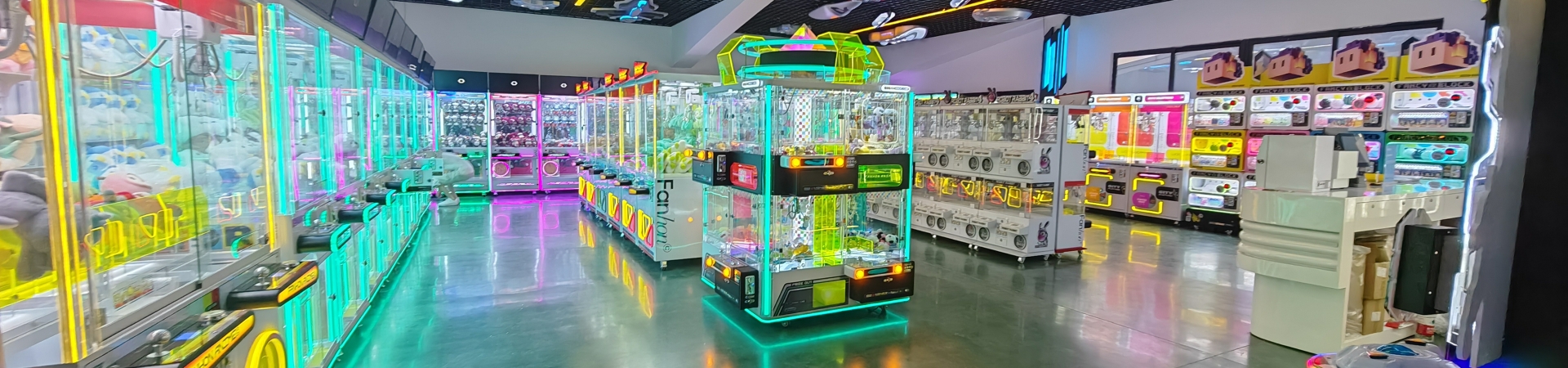
Arcade Machine B2B Talent Acquisition and Factory Workforce Management Guide
Arcade machine B2B talent acquisition and factory workforce management involve the strategies used by manufacturers to recruit, train, and retain the human capital required to build commercial arcade equipment—such as claw machines, prize machines, and family entertainment center (FEC) games. In a highly competitive global market, the quality of a factory's workforce directly determines the quality of its products. From mechanical engineers who design the machines to the assembly line workers who wire the control boards, every role is critical. A shortage of skilled labor or high employee turnover can severely disrupt production schedules, increase defect rates, and increase costs.
This guide explains how to manage workforce and talent acquisition from a manufacturing management perspective.
Why Workforce Management Matters
The arcade industry requires a mix of technical skill and manual labor.
Key reasons for strong workforce management:
Production Consistency: A stable, experienced team builds machines with fewer defects and higher reliability.
Reduced Costs: Lower turnover means less money spent on constant recruiting, onboarding, and training.
Innovation: Skilled engineers are essential for designing new machines and integrating modern features (like cashless systems and IoT).
Meeting Deadlines: An adequately staffed and motivated factory can handle large container orders without delays.
A factory is only as good as the people working in it.
Key Roles in an Arcade Machine Factory
You need a diverse set of skills.
| Department | Key Roles | Core Responsibilities |
|---|---|---|
| R&D / Engineering | Mechanical Engineers, Electrical Engineers, Software Developers | Designing cabinets, control boards, claw mechanisms, and game software. |
| Production / Assembly | Assembly Line Workers, Welders, Painters | Building cabinets, wiring components, assembling the final machine. |
| Quality Control (QC) | QC Inspectors, Testers | Testing electrical safety, mechanical functions, and packaging. |
| Supply Chain / Logistics | Purchasing Managers, Warehouse Staff | Sourcing raw materials, managing inventory, and packing for export. |
| Sales / Support | Account Managers, Technical Support | Dealing with B2B distributors, handling after-sales, and providing remote troubleshooting. |
Cross-training is valuable so employees can step into different roles when needed.
Recruiting and Hiring Strategies
Finding the right talent is challenging.
Best practices:
Technical Schools: Partner with local vocational schools or technical colleges to recruit fresh talent for assembly and QC roles.
Referrals: Offer bonuses to current employees for referring skilled workers (especially engineers and technicians).
Clear Job Descriptions: Clearly define the required skills. For engineers, this means specific software (e.g., AutoCAD) or electrical experience. For assemblers, it means manual dexterity and attention to detail.
Competitive Compensation: In manufacturing hubs, competition for labor is fierce. Offer competitive wages, overtime pay, and benefits.
Hire for reliability and attention to detail, then train for specific technical skills.
Training and Onboarding
New hires need structured training.
Training modules:
Safety First: Training on factory safety, handling tools, electrical safety, and emergency procedures.
Product Knowledge: Understanding how an arcade machine works, the names of the components, and how to spot a defect.
Standard Operating Procedures (SOPs): Step-by-step instructions for assembly, wiring, and testing.
Quality Standards: Teaching workers what an "acceptable" vs. "unacceptable" finish looks like.
Well-trained workers make fewer mistakes and require less supervision.
Retaining Talent and Reducing Turnover
High turnover is a major problem in manufacturing.
How to keep your best workers:
Career Progression: Offer clear paths for advancement (e.g., from assembler to QC inspector, or from junior engineer to lead engineer).
Safe Environment: Provide a clean, well-lit, and safe working environment. Install proper ventilation and safety gear.
Performance Bonuses: Tie a portion of the bonus to quality (low defect rates) or productivity, not just hours worked.
Respectful Management: Train supervisors to be leaders, not just rule enforcers. Respecting workers reduces resentment and turnover.
Happy workers stay longer and build better machines.
Common Workforce Management Mistakes
Factories sometimes make avoidable mistakes:
Hiring based solely on the lowest wage, leading to high defects and turnover.
Skipping safety training, resulting in accidents and legal liability.
Not documenting SOPs, meaning training relies on the memory of senior staff.
Ignoring employee feedback about broken tools or poor working conditions.
Failing to plan for peak season labor shortages.
These mistakes lead to production delays and poor product quality.
Practical B2B Insights
From a factory management perspective, a strong workforce is a competitive advantage.
First, maintain a core team of experienced assembly workers and engineers. They are the backbone of the factory.
Second, use temporary labor agencies for sudden spikes in orders, but keep them working alongside experienced staff to maintain quality.
Third, implement a quality incentive program. If a team achieves a zero-defect rate for a month, reward them. This motivates workers to check their own work.
Fourth, invest in modern tools and automation to make the workers' jobs easier and safer.
Fifth, communicate with your team. Talk to the assembly line workers—they often see design flaws or inefficiencies that engineers miss.
Frequently Asked Questions
What is the most important role in an arcade machine factory?
Quality Control (QC) inspectors and senior assembly workers are critical to ensuring the machines are safe and functional before shipping.
How do I find good engineers for arcade machine design?
Partner with technical universities, use specialized recruitment agencies, and provide an attractive, innovative work environment.
How do I reduce high turnover on the assembly line?
Offer competitive pay, a safe working environment, clear paths for advancement, and respectful management.
Why is cross-training important in a factory?
It allows workers to cover different roles during absences or peak production periods, maintaining workflow.
What is an SOP in manufacturing?
Standard Operating Procedure. A documented, step-by-step guide on how to perform a specific task safely and correctly.
How do I handle labor shortages during peak season?
Partner with temp agencies in advance, offer overtime to current staff, and automate repetitive tasks where possible.
What is a quality incentive program?
A system where workers or teams receive a bonus for maintaining low defect rates or meeting production targets.
How do I train new workers on arcade machine wiring?
Use visual guides, supervised hands-on training, and test their knowledge before allowing them to work independently.
Conclusion
Talent acquisition and workforce management are the backbone of arcade machine manufacturing. By recruiting skilled engineers, training assembly workers properly, and reducing turnover, factories can ensure consistent quality and meet global demand.
For arcade manufacturers and suppliers, investing in people is just as important as investing in machines.
If you are looking for a manufacturing partner with an experienced, stable workforce and rigorous training standards, contact us for a factory tour, product catalogs, and pricing.