


Arcade Machine Customer Journey Guide: From Entrance to Repeat Visit
The arcade customer journey is the complete sequence of experiences a player has with a venue, from discovering the arcade to entering, choosing a machine, playing, redeeming prizes, and deciding whether to return. For B2B buyers operating claw machines, prize machines, and arcade equipment, understanding the customer journey helps identify opportunities to improve satisfaction, increase spending, and build loyalty. Every touchpoint affects whether a first-time visitor becomes a repeat customer.
This guide explains the main stages of the customer journey from a manufacturer's perspective.
Why the Customer Journey Matters
Customers interact with the venue at many points.
Understanding the journey helps operators:
Identify pain points
Improve customer flow
Increase play frequency
Improve staff service
Build loyalty
Increase revenue per visit
Encourage positive reviews
A single poor touchpoint can affect the entire experience.
Main Stages of the Arcade Customer Journey
The customer journey typically includes several stages.
| Stage | Customer Goal | Operator Focus |
|---|---|---|
| Discovery | Find a place to play | Marketing, signage, online presence |
| Arrival | Enter and understand the venue | Entrance, layout, welcome |
| Exploration | See what is available | Machine visibility, grouping, lighting |
| Payment | Understand pricing and pay | Payment convenience, clear pricing |
| Play | Enjoy the game | Machine condition, fairness, prize appeal |
| Prize Collection | Redeem or collect prizes | Prize counter, staff service |
| Exit | Leave with a good impression | Cleanliness, staff farewell |
| Return Decision | Decide to come back | Overall experience, promotions, loyalty |
Each stage should be reviewed for improvement opportunities.
Stage 1: Discovery and Marketing
The journey starts before the customer enters.
Consider:
Online presence
Social media
Local reviews
Signage outside the venue
Promotions
Word-of-mouth
Clear information about the venue, games, and prizes helps attract customers.
Stage 2: Arrival and First Impression
The first impression affects the entire visit.
Consider:
Entrance visibility
Signage
Lighting
Cleanliness
Staff greeting
Layout clarity
A welcoming entrance encourages customers to stay.
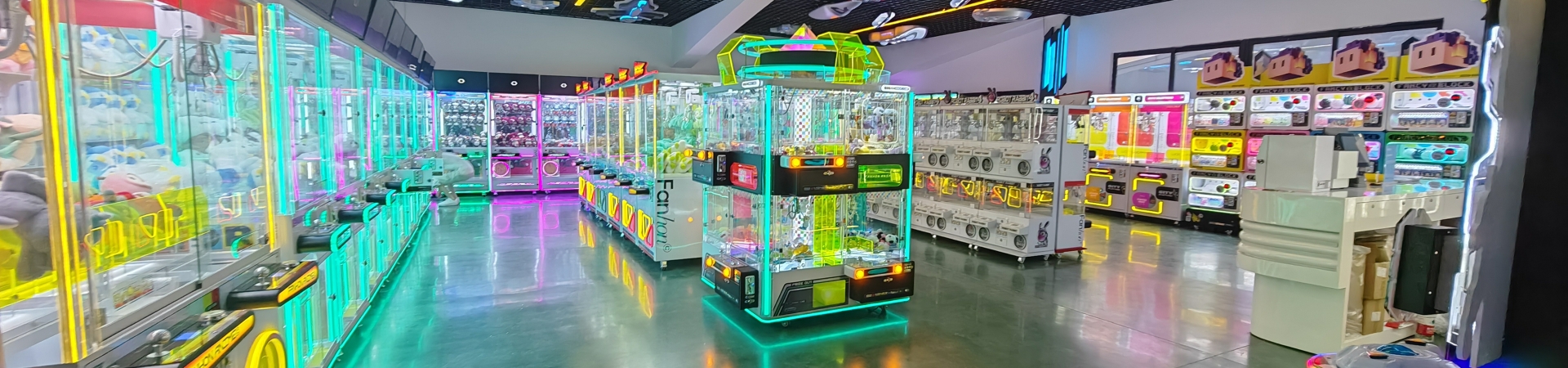
Stage 3: Exploration and Machine Visibility
Customers look for machines that interest them.
Consider:
Machine grouping
Lighting
Prize visibility
Walkway clarity
High-traffic machine placement
Signage for game areas
Clear layout helps customers find games quickly.
Stage 4: Payment and Pricing
Payment affects how easily customers start playing.
Consider:
Payment methods
Clear pricing
Payment system reliability
Staff assistance
Refund or credit procedures
Confusing pricing or unreliable payment can reduce play.
Stage 5: Play and Game Experience
The play experience is the core of the visit.
Consider:
Machine condition
Game fairness
Claw strength
Prize appeal
Sound and lighting
Machine availability
A fair and enjoyable game encourages repeat play.
Stage 6: Prize Collection and Redemption
Prize collection affects satisfaction.
Consider:
Prize chute accessibility
Prize counter location
Staff service
Prize quality
Redemption process
Waiting time
A smooth prize process improves the overall experience.
Stage 7: Exit and Last Impression
The exit affects whether customers return.
Consider:
Cleanliness
Staff farewell
Signage for exit
Feedback opportunities
Promotions for next visit
A positive last impression supports repeat visits.
Stage 8: Return Decision and Loyalty
The return decision depends on the overall experience.
Consider:
Overall satisfaction
Value for money
Prize experience
Staff service
Promotions
Loyalty programs
Loyalty programs and promotions can encourage repeat visits.
Customer Touchpoints
Touchpoints are the points where customers interact with the venue.
| Touchpoint | Customer Experience |
|---|---|
| Entrance | First impression, signage |
| Machine area | Visibility, layout, lighting |
| Payment point | Convenience, pricing |
| Game controls | Usability, response |
| Prize chute | Accessibility |
| Prize counter | Service, prize quality |
| Exit | Cleanliness, farewell |
| Online | Reviews, social media, promotions |
Each touchpoint should be reviewed regularly.
Common Customer Journey Problems
Operators sometimes overlook journey issues:
Unclear entrance
Poor machine visibility
Confusing pricing
Unreliable payment systems
Unfair game settings
Slow prize redemption
Dirty venue
Lack of promotions for return visits
These problems can reduce satisfaction and retention.
Practical Manufacturer Insights
From a manufacturer's perspective, the customer journey works best when it is planned with the venue layout and machine placement.
First, high-visibility machines should be placed near the entrance to attract attention.
Second, payment systems should be reliable and easy to use. Confusing payment reduces play.
Third, game settings should be fair and tested with actual prizes.
Fourth, prize collection should be smooth and staffed.
Fifth, promotions and loyalty programs can encourage repeat visits.
Frequently Asked Questions
What is the arcade customer journey?
The arcade customer journey is the complete sequence of experiences a player has with a venue, from discovery and arrival to play, prize collection, exit, and return decision.
Why is the customer journey important?
Understanding the journey helps operators identify pain points, improve customer flow, increase play frequency, and build loyalty.
What are key touchpoints in an arcade?
Key touchpoints include the entrance, machine area, payment point, game controls, prize chute, prize counter, exit, and online presence.
How can I improve the first impression of my arcade?
Improve entrance visibility, signage, lighting, cleanliness, staff greeting, and layout clarity.
How do I encourage repeat visits?
Focus on overall experience, fair game settings, prize quality, staff service, promotions, and loyalty programs.