


Arcade Machine Expansion Guide: How to Scale from One Venue to Multiple Locations
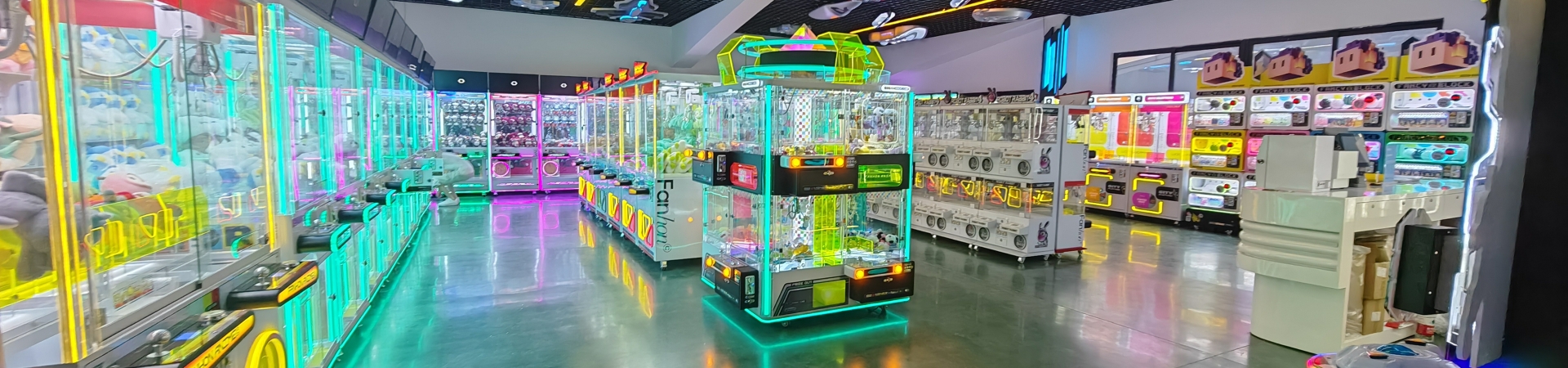
Arcade business expansion is the process of growing from a single venue to multiple locations. It involves standardizing equipment, planning logistics, training staff, and managing operations across different sites. For B2B buyers who have successfully operated claw machines, prize machines, and arcade equipment, expansion can increase revenue and brand presence. However, scaling requires careful planning to maintain quality and consistency.
This guide explains how to plan and execute an arcade expansion from a manufacturer's perspective.
Why Expand an Arcade Business?
Expansion can offer several benefits.
Benefits include:
Increased revenue
Stronger brand recognition
Economies of scale in equipment purchasing
Shared marketing and operating resources
Greater market coverage
Diversification of risk across locations
Expansion should be based on a proven business model, not only on ambition.
Key Factors for Successful Expansion
Scaling requires attention to several areas.
| Factor | Why It Matters |
|---|---|
| Standardized equipment | Consistency across locations |
| Site selection | Foot traffic and target customers |
| Local regulations | Compliance and licensing |
| Supply chain | Equipment, prizes, and spare parts |
| Staffing | Training and operations |
| Management systems | Reporting and control |
| Marketing | Brand consistency and local reach |
| Capital | Budget for equipment and setup |
Each factor affects the success of new locations.
Standardizing Equipment Across Locations
Standardization simplifies operations.
Consider:
Standard machine models
Consistent prize machines
Same payment systems
Standard lighting and displays
Common spare parts
Standardized equipment makes training, maintenance, and purchasing easier.
Site Selection for New Locations
Site selection is critical.
Consider:
Foot traffic
Nearby businesses
Target customers
Competitor presence
Rent and lease terms
Accessibility
Electrical capacity
A good site can support revenue even with standard equipment.
Local Regulations and Compliance
Each location may have different requirements.
Consider:
Business licenses
Electrical safety certificates
Fire safety
Prize regulations
Labor laws
Tax registration
Compliance should be confirmed before opening.
Supply Chain and Logistics
Expansion increases supply chain needs.
Consider:
Equipment delivery schedules
Prize supply
Spare parts inventory
Shipping coordination
Customs clearance
Storage space
A reliable supplier can support multiple location openings.
Staffing and Training
Staffing needs grow with each location.
Consider:
Hiring locally
Training programs
Standard operating procedures
Management structure
Staff scheduling
Performance reviews
Consistent training helps maintain service quality.
Management Systems and Reporting
Multi-location management requires systems.
Consider:
Revenue reporting
Machine performance data
Inventory tracking
Maintenance records
Staff scheduling
Remote management systems
Data helps compare locations and identify issues.
Marketing and Brand Consistency
Brand consistency supports recognition.
Consider:
Standard logo and signage
Consistent venue design
Shared promotions
Local marketing
Social media coordination
Loyalty programs across locations
Local adaptation may be needed while maintaining brand identity.
Financial Planning for Expansion
Expansion requires capital.
Consider:
Equipment cost
Venue preparation
Shipping and import costs
Staffing cost
Marketing budget
Operating reserve
Payback period
Financial planning should include a buffer for unexpected costs.
Common Expansion Mistakes
Operators sometimes make avoidable mistakes:
Expanding too quickly
Not standardizing equipment
Ignoring local regulations
Underestimating staffing needs
Failing to plan logistics
Not using management systems
Losing brand consistency
Underestimating capital needs
These mistakes can strain operations and reduce profitability.
Practical Manufacturer Insights
From a manufacturer's perspective, expansion works best when equipment and processes are standardized.
First, standard machine models simplify training, maintenance, and spare parts planning.
Second, a reliable supplier can support multiple location openings with consistent quality and delivery.
Third, local regulations should be confirmed before signing a lease or ordering equipment.
Fourth, management systems help compare performance across locations.
Fifth, brand consistency should be maintained while allowing for local adaptation.
Frequently Asked Questions
How do I expand my arcade business?
Plan site selection, standardize equipment, confirm local regulations, arrange logistics, train staff, set up management systems, and maintain brand consistency.
Should I use the same equipment in all locations?
Standardized equipment simplifies training, maintenance, and purchasing. Some local adaptation may be needed based on customer preferences.
How do I choose a site for a new arcade?
Consider foot traffic, nearby businesses, target customers, competitor presence, rent, accessibility, and electrical capacity.
What regulations apply to new arcade locations?
Regulations vary by location and may include business licenses, electrical safety, fire safety, prize rules, labor laws, and tax registration.
How do I manage multiple arcade locations?
Use management systems for revenue reporting, machine performance, inventory, maintenance, and staffing. Standard operating procedures help maintain consistency.
How do I maintain brand consistency across locations?
Use standard logo, signage, venue design, promotions, and loyalty programs. Allow for local adaptation where needed.
How much capital is needed for expansion?
Capital needs depend on equipment cost, venue preparation, shipping, staffing, marketing, and operating reserve. Financial planning should include a buffer.
Can a manufacturer support multi-location expansion?
Many manufacturers can support multiple location openings with standardized equipment, delivery planning, spare parts, and customization.
Conclusion
Arcade business expansion involves standardizing equipment, selecting sites, confirming regulations, managing logistics, training staff, using management systems, and maintaining brand consistency.
For B2B buyers operating claw machines, prize machines, and arcade equipment, a reliable manufacturer can support multi-location growth with consistent quality and supply.
If you are planning an arcade expansion, contact us for equipment recommendations, product specifications, and wholesale pricing.