


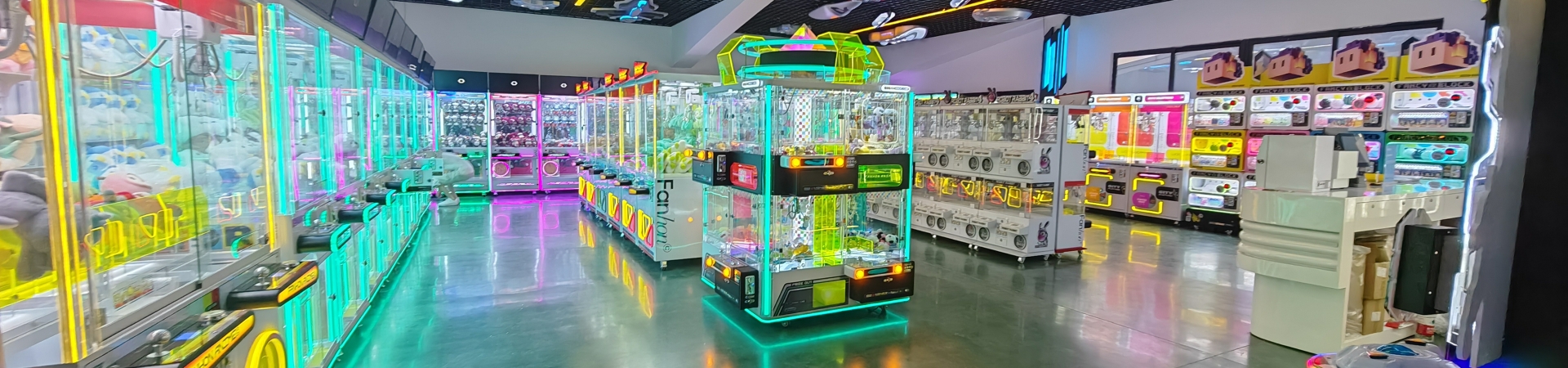
Arcade Machine Multisensory Experience Design Guide: Engaging Sight, Sound, and Touch
Arcade multisensory experience design is the strategic integration of visual, auditory, tactile, and even olfactory elements to create an immersive and memorable venue environment. For B2B buyers operating claw machines, prize machines, and family entertainment centers (FECs), the competition is no longer just about having the best games; it is about offering an escape from reality. Modern consumers, especially Gen Z and families, seek out "Instagrammable" spaces that feel alive. By consciously designing how a venue looks, sounds, and feels, operators can increase dwell time, boost spending, and create a powerful emotional connection with the brand.
This guide explains how to design a multisensory arcade environment from a venue planning perspective.
Why Multisensory Design Matters
The human brain processes the world through multiple senses.
Multisensory design helps venues:
Create a strong, lasting first impression
Differentiate the venue from standard, brightly lit arcades
Increase the time customers spend in the venue
Trigger positive emotions that lead to repeat visits
Generate organic social media content
Reinforce the brand's identity
When all senses align, the arcade becomes an "experience," not just a room full of machines.
Visual Design: Beyond the Machines
Sight is the dominant sense in an arcade.
Key strategies:
Lighting: Use dynamic LED strips, neon signs, and spotlights to create depth and drama. Avoid flat, fluorescent lighting.
Color Palette: Choose a cohesive color scheme (e.g., cyberpunk neon or retro 80s pastel) that matches the brand.
Machine Wraps: Customize cabinets and screens to fit the theme.
Sightlines: Ensure the venue looks exciting from the entrance, drawing people inside.
Visuals should be cohesive, not chaotic.
Auditory Design: The Soundscape
Sound sets the energy level and mood.
Key strategies:
Zoned Audio: Play energetic, upbeat music in the main gaming area, and softer, ambient music in the party rooms or seating areas.
Machine Sounds: Ensure game sound effects (jackpots, claw drops) are audible but not deafening.
Background Music: Use curated playlists (e.g., synth-wave, pop, or retro hits) that fit the target audience.
Noise Control: Use acoustic panels to prevent echo and keep the noise level comfortable.
Sound should energize players without causing fatigue.
Tactile Design: Physical Interactions
Touch is crucial for engagement.
Key strategies:
Control Panels: Ensure buttons and joysticks have a satisfying "click" or tactile response.
Materials: Use a mix of textures in the venue—soft seating, smooth bar tops, and durable grip flooring.
Prizes: Offer prizes with different textures (soft plush, smooth plastic, squishy toys) to appeal to different preferences.
Interactive Elements: Include machines with touchscreens or tactile play.
Physical comfort and satisfying interactions increase playtime.
Olfactory Design: Scent Marketing
Smell is strongly linked to memory.
Key strategies:
Cleanliness: The most important scent is no scent. Ensure the venue is free of musty smells, sweat, or garbage.
Brand Scent: Use subtle, signature scents (e.g., vanilla, citrus, or a clean "new car" smell) in the entrance or party rooms.
Food Smells: The smell of fresh popcorn or cotton candy can trigger nostalgia and appetite.
Avoid Overpowering Scents: Strong perfumes or diffusers can cause headaches.
A clean, subtly scented venue feels premium.
Taste: Integrating F&B
Taste connects directly to revenue and dwell time.
Key strategies:
Menu Design: Offer classic arcade snacks (popcorn, slushies, candy) that fit the theme.
Cafe Integration: If you have a seating area, offer coffee or light bites for parents.
Consistency: Ensure food quality matches the premium feel of the machines.
Food and beverage keep customers energized and playing longer.
Common Multisensory Design Mistakes
Operators sometimes make avoidable mistakes:
Sensory overload (too many flashing lights, loud noises, and intense smells).
Inconsistent themes (e.g., a futuristic machine next to a rustic wooden sign).
Ignoring acoustics (echoing rooms cause headaches).
Using cheap, unresponsive buttons that feel bad to play.
Neglecting basic cleanliness and air quality.
The goal is harmony, not chaos.
Practical B2B Insights
From a venue design perspective, multisensory experiences work best when they are intentional.
First, choose a theme and stick to it across lighting, music, and decor.
Second, walk through the venue as a customer and note how each sense is stimulated. Is it overwhelming or underwhelming?
Third, invest in quality control panels and tactile buttons. The "feel" of the game matters.
Fourth, ensure the venue smells clean. Use air purifiers and regular deep cleaning.
Fifth, use scent and lighting to create distinct zones (e.g., a relaxed cafe area vs. a high-energy gaming area).
Frequently Asked Questions
What is multisensory design in an arcade?
It's the use of light, sound, touch, smell, and taste to create a cohesive, immersive environment that enhances the guest experience.
How does lighting affect the arcade experience?
Lighting creates atmosphere, highlights games, and directs traffic flow. Dynamic LED lighting makes the venue feel modern and exciting.
What kind of music should an arcade play?
Music should match the theme and energy level. Upbeat, energetic music for gaming zones, and softer music for seating areas.
Why is tactile feedback important in arcade games?
Satisfying buttons and joysticks make the game feel higher quality and more responsive, which encourages longer play.
Should an arcade use scent marketing?
Yes, subtly. A clean, light scent (like citrus or vanilla) can make the venue feel more premium, but avoid overpowering smells.
How do I prevent sensory overload in my arcade?
Balance is key. Don't max out every light and sound. Ensure there are quiet, visually relaxing zones (like seating areas) for guests to rest.
Does food smell help increase sales?
Yes, the smell of fresh popcorn or baked goods can trigger appetite and nostalgia, increasing F&B sales.
How can I test my arcade's sensory design?
Have a friend or staff member walk through as a first-time customer and give feedback on what they see, hear, feel, and smell.
Conclusion
Multisensory experience design involves integrating visual, auditory, tactile, and olfactory elements to create a cohesive and immersive arcade environment. A well-designed space engages guests on a deeper level and sets the venue apart.
For B2B buyers operating claw machines, prize machines, and arcade equipment, thoughtful multisensory planning is a key strategy for modernizing the venue and maximizing revenue.
If you are planning an arcade equipment order, contact us for machine options with advanced lighting and tactile features, product specifications, and wholesale pricing.