


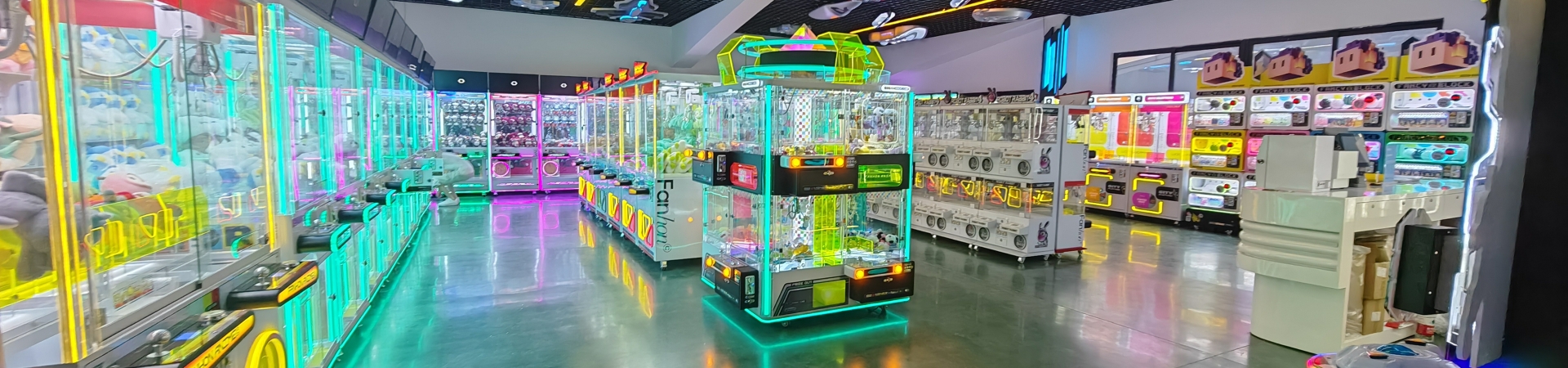
Arcade Machine Staffing Guide: How to Recruit, Schedule, and Manage Arcade Employees
Arcade staffing is the process of recruiting, scheduling, and managing the employees who operate and maintain a commercial arcade venue. A well-staffed arcade ensures smooth daily operations, proper machine maintenance, and a positive customer experience. For B2B buyers opening or expanding an arcade with claw machines, prize machines, and arcade equipment, workforce planning is just as important as equipment selection.
This guide explains the main staffing considerations from a venue management perspective.
Why Arcade Staffing Matters
Staff are the face of the arcade.
Good staffing helps:
Keep machines operational
Maintain a clean and safe venue
Provide excellent customer service
Prevent theft and cash loss
Reduce machine downtime
Build a loyal customer base
Understaffing can lead to poor service, machine neglect, and lost revenue.
Key Roles in an Arcade
Different roles serve different functions.
| Role | Primary Responsibility |
|---|---|
| Venue Manager | Overall operations, staffing, financials |
| Shift Supervisor | Shift management, staff oversight |
| Cashier / Prize Counter | Customer service, prize redemption, payment |
| Floor Staff | Machine monitoring, customer assistance, cleaning |
| Technician | Machine maintenance, troubleshooting, repairs |
| Cleaning Staff | Venue cleanliness and hygiene |
In smaller venues, staff may perform multiple roles.
Recruitment and Hiring
Finding the right staff is critical.
Consider:
Clear job descriptions
Relevant experience (customer service, technical)
Personality and communication skills
Availability (evenings, weekends, holidays)
Local labor laws and requirements
Hiring for attitude can be as important as hiring for experience.
Core Competencies for Arcade Staff
Staff should possess key skills.
| Competency | Importance |
|---|---|
| Customer Service | Handling inquiries and complaints |
| Basic Troubleshooting | Resolving simple machine issues |
| Cash Handling | Accurate collection and recording |
| Attention to Detail | Machine monitoring and cleaning |
| Teamwork | Supporting colleagues during busy periods |
| Communication | Clear interaction with customers and managers |
Training can build these competencies.
Shift Scheduling and Workforce Planning
Scheduling should match customer traffic patterns.
Consider:
Peak hours and weekends
School holidays and special events
Staff availability and preferences
Labor cost targets
Legal rest periods and overtime rules
A well-planned schedule prevents understaffing during busy periods.
Staff Management and Supervision
Effective management keeps the team focused.
Best practices:
Clear expectations and goals
Regular communication
Performance feedback
Recognition and rewards
Fair conflict resolution
Consistent enforcement of policies
Good management reduces turnover.
Training and Onboarding
New staff need proper onboarding.
Onboarding topics:
Venue layout and machine types
Customer service standards
Cash handling procedures
Cleaning routines
Basic troubleshooting
Safety and emergency procedures
A structured onboarding program improves confidence and performance.
Staff Retention and Motivation
High turnover is costly.
Strategies for retention:
Competitive pay and benefits
Clear career progression
Positive work environment
Recognition programs
Flexible scheduling where possible
Training and development
Retaining experienced staff improves operational stability.
Managing Staff During Peak Periods
Peak times require extra attention.
Consider:
Scheduling additional staff
Cross-training staff for multiple roles
Preparing spare parts and prizes
Clear communication during shifts
Managing customer queues
Good peak management improves customer experience.
Common Staffing Mistakes
Operators sometimes make avoidable mistakes:
Hiring without clear job descriptions
Understaffing during peak periods
Inadequate training
Ignoring staff feedback
High turnover due to poor management
Not enforcing cash handling policies
Failing to plan for holidays and events
These mistakes can lead to poor service and operational issues.
Practical Venue Insights
From a venue management perspective, staffing works best when planned with the equipment and customer flow.
First, match staff levels to machine count and customer volume. A larger venue with many machines needs more floor staff.
Second, cross-train staff so they can handle cash, prizes, and basic troubleshooting.
Third, use data from the venue to identify peak hours and adjust schedules accordingly.
Fourth, invest in training and retention. Experienced staff reduce downtime and improve service.
Fifth, involve staff in feedback. They often see issues before management does.
Frequently Asked Questions
How many staff do I need for an arcade?
The number depends on venue size, machine count, operating hours, and customer traffic. A small arcade may need a few staff, while a larger venue needs a full team.
What skills should arcade staff have?
Customer service, basic troubleshooting, cash handling, attention to detail, teamwork, and communication skills are important.
How do I schedule arcade staff?
Match schedules to customer traffic patterns, peak hours, weekends, and holidays. Consider staff availability and labor cost targets.
Do I need a dedicated technician?
Larger venues usually benefit from a dedicated technician. Smaller venues may rely on a trained staff member and remote technical support.
How do I reduce staff turnover?
Competitive pay, clear expectations, positive work environment, recognition, and training help retain staff.
What should onboarding include?
Venue layout, machine types, customer service, cash handling, cleaning routines, troubleshooting, and safety procedures.
How do I manage staff during peak hours?
Schedule extra staff, cross-train employees, prepare spare parts, communicate clearly, and manage queues.
Can staff handle machine repairs?
Staff can handle basic troubleshooting. Complex repairs should be handled by a technician or with remote manufacturer support.
Conclusion
Arcade staffing involves recruiting, scheduling, training, and managing employees to operate the venue smoothly. Clear roles, good training, and effective management help reduce downtime and improve customer experience.
For B2B buyers opening or expanding an arcade, workforce planning should be part of venue planning from the beginning.
If you are planning an arcade equipment order, contact us for equipment specifications, maintenance requirements, and wholesale pricing.