


Claw Machine Cabinet Materials: What Buyers Need to Know
The cabinet is one of the most important parts of a commercial claw machine. It determines the machine's overall appearance, structural stability, prize visibility, and suitability for long-term commercial use.
When comparing different claw machines, buyers often focus on the design, price, or number of features. However, the materials used to build the cabinet are also important.
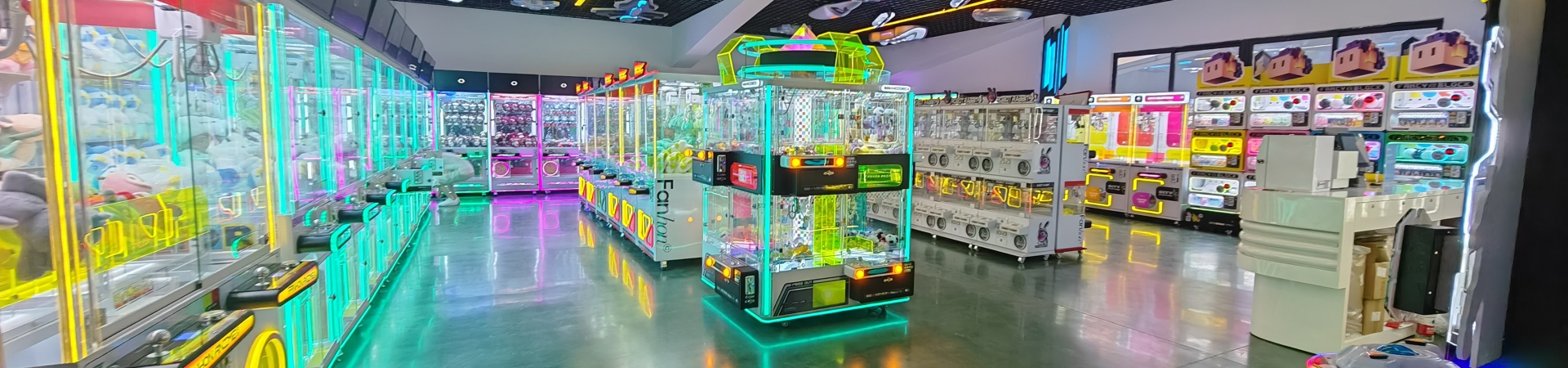
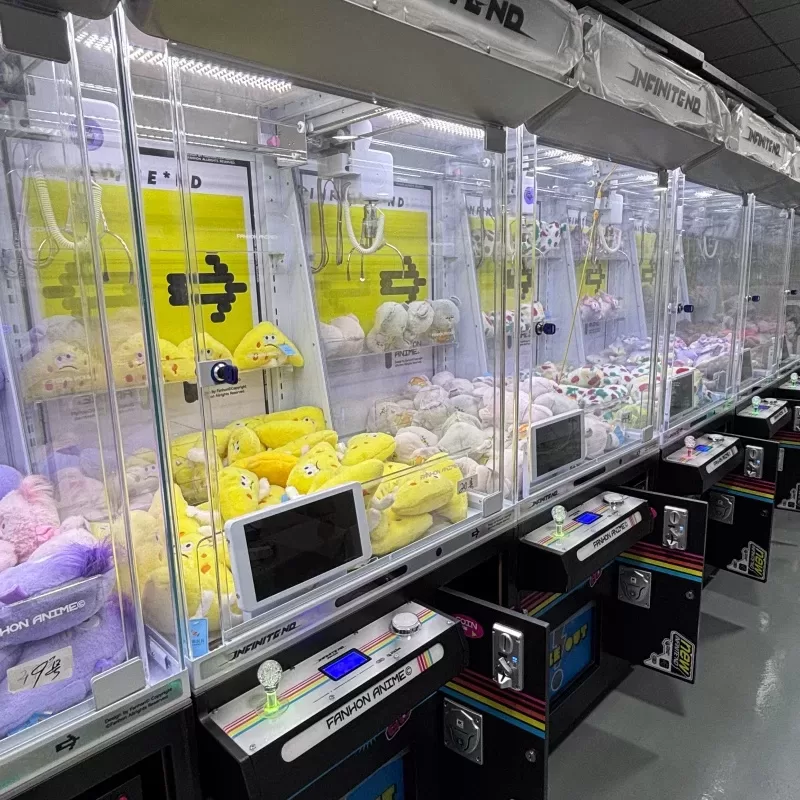
A commercial claw machine may include metal panels, glass or acrylic viewing areas, structural supports, doors, locks, decorative panels, and lighting components.
Understanding these materials can help arcade operators, distributors, shopping mall businesses, and claw machine store owners make more informed purchasing decisions.
1. Why Cabinet Materials Matter
Commercial claw machines can be used continuously for long periods in busy locations.
The cabinet needs to provide a combination of:
Structural stability
Durability
Good prize visibility
Attractive appearance
Easy maintenance
Suitable weight
Convenient transportation
The right combination of materials depends on the machine's design, size, application, and target market.
2. Metal Cabinet Structure
Metal is commonly used in commercial arcade equipment because it can provide a strong structural foundation.
Metal components may be used for:
Main cabinet panels
Internal supports
Base structures
Doors
Control panels
Mechanical mounting areas
A properly designed metal structure can help the machine maintain stability during regular commercial operation.
For larger claw machines, structural strength becomes particularly important because the cabinet may need to support larger viewing panels, internal components, and heavier prize loads.
3. Glass Viewing Panels
Transparent viewing panels allow customers to see the prizes inside the machine.
Glass can provide a clear viewing experience and a solid appearance.
When evaluating a machine with glass panels, buyers can consider:
Panel thickness
Structural support
Installation method
Door design
Replacement convenience
Transportation protection
Because glass can be vulnerable during transportation, international buyers should also ask the manufacturer about packaging and shipping protection.
4. Acrylic Panels
Acrylic is another material that may be used for transparent or decorative sections of claw machines.
Acrylic can be useful when the machine design requires:
Lightweight transparent panels
Decorative elements
Custom shapes
Colored transparent sections
Specific design features
The exact material selection depends on the machine model and manufacturer's construction design.
Buyers should ask the factory which materials are used in the specific model they are purchasing.
5. Glass vs. Acrylic
Glass and acrylic each have different characteristics.
| Feature | Glass | Acrylic |
|---|---|---|
| Appearance | Clear and solid | Clear and lightweight |
| Weight | Generally heavier | Generally lighter |
| Design flexibility | More limited | Can support various shapes |
| Transportation | Requires careful protection | Generally easier to handle |
| Applications | Viewing panels | Viewing and decorative components |
The better choice depends on the machine design and intended application.
Rather than selecting a machine based only on the transparent panel material, buyers should consider the complete cabinet construction.
6. Cabinet Thickness and Structural Design
Material quality is not determined by material type alone.
The overall structural design also matters.
Important factors include:
Panel thickness
Internal reinforcement
Frame construction
Joint design
Door structure
Base stability
Component mounting
A well-designed cabinet should provide sufficient structural support for its intended commercial application.
For larger or multi-player machines, buyers should pay particular attention to overall cabinet stability.
7. Cabinet Surface Finishing
The external finish affects both appearance and maintenance.
Commercial claw machines may use different surface treatments and finishes depending on the design.
These can include:
Painted metal
Powder-coated surfaces
Printed graphics
Decorative panels
Custom branding
Illuminated sections
A good finish should match the overall design and provide a professional appearance for commercial environments.
8. Custom Colors and Branding
Many businesses want their claw machines to match their own brand identity.
Depending on the manufacturer, buyers may be able to customize:
Cabinet colors
Logo
Graphics
Decorative panels
LED lighting
Branding elements
OEM and ODM customization can be useful for distributors, amusement operators, shopping mall projects, and businesses building their own entertainment brands.
9. Cabinet Design and Prize Visibility
The cabinet should not only be strong; it should also display prizes effectively.
A good prize display should provide:
Clear visibility
Suitable lighting
Easy customer observation
Efficient use of internal space
Convenient prize loading
The viewing area, lighting, and internal prize arrangement should work together.
A machine with an attractive cabinet but poor prize visibility may not provide the desired presentation.
10. Doors and Access Panels
Doors and access panels are important for daily operation and maintenance.
Operators need to open the machine to:
Refill prizes
Clean the interior
Check components
Adjust settings
Service the machine
When evaluating a claw machine, check whether the doors and access points are practical for regular commercial use.
Locks should also be suitable for the intended operating environment.
11. Control Panel Materials
The control panel receives frequent contact from customers.
It may contain:
Joystick
Buttons
Payment components
Decorative lighting
Instructions
Branding
The control panel should be designed to withstand regular use while remaining comfortable and easy to operate.
Its appearance should also match the overall cabinet design.
12. Base and Machine Stability
The base supports the entire cabinet.
A stable base is particularly important for larger machines and machines installed in busy commercial locations.
When choosing equipment, consider:
Overall machine weight
Base construction
Center of gravity
Floor conditions
Machine dimensions
Installation environment
The manufacturer should provide the relevant machine dimensions and weight before shipment.
13. Materials and Transportation
Cabinet materials also affect international transportation.
A heavier machine may require different handling and shipping arrangements compared with a lightweight model.
For international B2B orders, buyers should consider:
Machine dimensions
Net weight
Gross weight
Packaging dimensions
Container loading
Protection during transportation
Glass panels and other vulnerable components should receive appropriate packaging protection.
14. Materials and Maintenance
Different cabinet materials may require different maintenance methods.
Routine maintenance may include:
Cleaning transparent panels
Cleaning metal surfaces
Checking doors
Inspecting locks
Checking structural components
Inspecting decorative elements
Checking lighting
The manufacturer's maintenance recommendations should be followed for the specific machine model.
15. Materials for Different Types of Claw Machines
Different claw machine categories may use different cabinet designs.
Mini Claw Machines
Compact machines may prioritize lightweight construction and space efficiency.
Single-Player Claw Machines
These machines can use a combination of metal structures and transparent viewing panels.
Multi-Player Claw Machines
Larger cabinets may require additional structural support because of their size and multiple player positions.
Big Claw Machines
Large machines may require stronger structural construction and larger viewing areas.
Screen Claw Machines
Screen-based models may include additional electronic components and display structures that need to be integrated into the cabinet.
The exact construction depends on the model and manufacturer.
16. What Should Buyers Ask the Manufacturer?
Before purchasing a commercial claw machine, ask the manufacturer about the cabinet construction.
Useful questions include:
What materials are used?
What material is used for the main cabinet?
Is the viewing panel glass or acrylic?
What is the machine's net weight?
What are the cabinet dimensions?
How is the machine packaged?
Can the cabinet color be customized?
Can the logo and graphics be customized?
Are replacement panels available?
Getting these details before ordering can help buyers compare different machines more accurately.
17. Choosing a Claw Machine Factory
For B2B buyers, the factory's manufacturing capabilities are also worth considering.
An experienced claw machine manufacturer may be able to provide:
Multiple cabinet designs
Different machine sizes
Custom colors
Custom logos
OEM services
ODM services
Spare parts
Quality control
International shipping
Direct communication with the factory can make it easier to discuss material requirements and customized cabinet designs.
18. Cabinet Materials and Long-Term Business Use
The cabinet is only one part of a commercial claw machine, but it plays an important role in the machine's overall performance and appearance.
When choosing equipment, consider the combination of:
Cabinet construction
Mechanical system
Electrical components
Claw mechanism
Payment system
Lighting
Prize display
Maintenance requirements
A complete evaluation is more useful than judging a machine based on one material or one feature.
Conclusion
Understanding claw machine cabinet materials can help buyers make better purchasing decisions.
Metal structures, glass, acrylic, doors, control panels, bases, and decorative components all contribute to the machine's appearance, stability, and usability.
For commercial applications, buyers should consider the complete cabinet construction rather than focusing only on one material.
Before placing an order, ask the manufacturer for detailed specifications, machine dimensions, weight, material information, packaging details, and customization options.
Looking for commercial claw machines with customized cabinet designs? Contact us for catalogs, specifications, OEM/ODM customization, and wholesale solutions.