


Claw Machine vs. Vending Machine: Which Business Model Is Better?
When starting a small amusement or automated retail business, choosing the right equipment is an important decision. Claw machines and vending machines are both popular commercial machines, but they operate under very different business models.
A vending machine mainly focuses on selling products automatically, while a claw machine provides an interactive game experience where customers pay to try to win a prize.
So, which is better for your business?
The answer depends on your location, target customers, available space, investment plan, and business goals. This guide compares claw machines vs. vending machines to help you make a better purchasing decision.
1. What Is a Claw Machine Business?
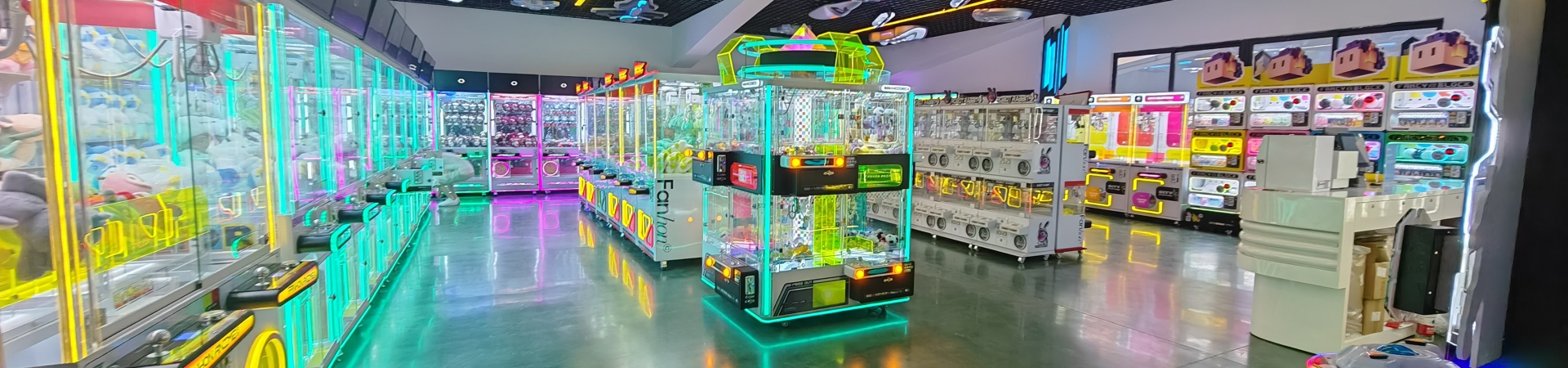
A claw machine, also called a crane machine or prize machine, is an amusement machine that allows customers to control a mechanical claw to pick up prizes.
Customers usually pay for each play and try to win plush toys, figures, blind boxes, collectibles, or other suitable prizes.
Claw machines are commonly installed in:
Shopping malls
Arcades
Family entertainment centers
Game centers
Cinemas
Restaurants
Entertainment venues
Retail stores
Tourist attractions
Because customers actively participate in the game, claw machines can provide both entertainment and revenue.
2. What Is a Vending Machine Business?
A vending machine automatically sells products after a customer makes a payment.
Common vending machine products include:
Drinks
Snacks
Food
Toys
Daily necessities
Small electronic accessories
Personal care products
The business model is mainly based on purchasing products at wholesale prices and selling them to customers at retail prices.
Vending machines are therefore closer to an automated retail business, while claw machines are closer to an amusement business.
3. Claw Machine vs. Vending Machine: Key Differences
| Factor | Claw Machine | Vending Machine |
|---|---|---|
| Main business model | Entertainment + prizes | Automated product sales |
| Customer experience | Interactive game | Product purchase |
| Main products | Plush toys, figures, collectibles | Food, drinks, daily products |
| Customer motivation | Winning prizes + entertainment | Convenience |
| Suitable locations | Arcades, malls, FECs | Offices, stations, malls, stores |
| Product replacement | Prize restocking | Product restocking |
| Customization | Cabinet, colors, graphics, payment systems | Product compartments, branding, payment |
| Maintenance | Mechanical and electronic systems | Electronic, refrigeration or dispensing systems depending on type |
| Visual attraction | Usually high | Depends on machine design |
| Business flexibility | High for different prize categories | Depends on products and machine configuration |
4. Customer Engagement
One of the biggest differences between these two business models is customer engagement.
A vending machine is designed to make purchasing convenient. Customers select a product, pay, and receive it.
A claw machine creates an interactive experience. Customers operate the joystick, control the claw, and attempt to win a prize.
This makes claw machines particularly suitable for locations where people are looking for entertainment rather than simply purchasing a product.
For shopping malls and family entertainment centers, this difference can be important.
5. Location Is Extremely Important
Location can have a major impact on the performance of both machines.
Good locations for claw machines
Claw machines can work well in places with families, teenagers, young adults, and entertainment traffic.
Examples include:
Shopping malls
Arcades
Family entertainment centers
Cinemas
Amusement parks
Game centers
Entertainment complexes
Good locations for vending machines
Vending machines are often placed where customers need convenient access to products.
Examples include:
Offices
Schools where permitted
Hotels
Transportation areas
Hospitals
Factories
Shopping centers
Residential communities
Before purchasing equipment, evaluate foot traffic, customer demographics, available space, operating hours, nearby competitors, and rental or revenue-sharing costs.
6. Product Management
The two models also have different inventory strategies.
With a vending machine, you need to monitor product expiration dates, stock levels, product popularity, and selling prices.
With a claw machine, the main inventory is usually prizes.
This can provide more flexibility because operators can change prize selections based on customer preferences, seasons, holidays, or special events.
For example, an operator could use:
Plush toys
Character figures
Blind boxes
Collectibles
Seasonal gifts
Local-themed prizes
Changing the prizes can also help refresh the appearance of the machine.
7. Customization Options
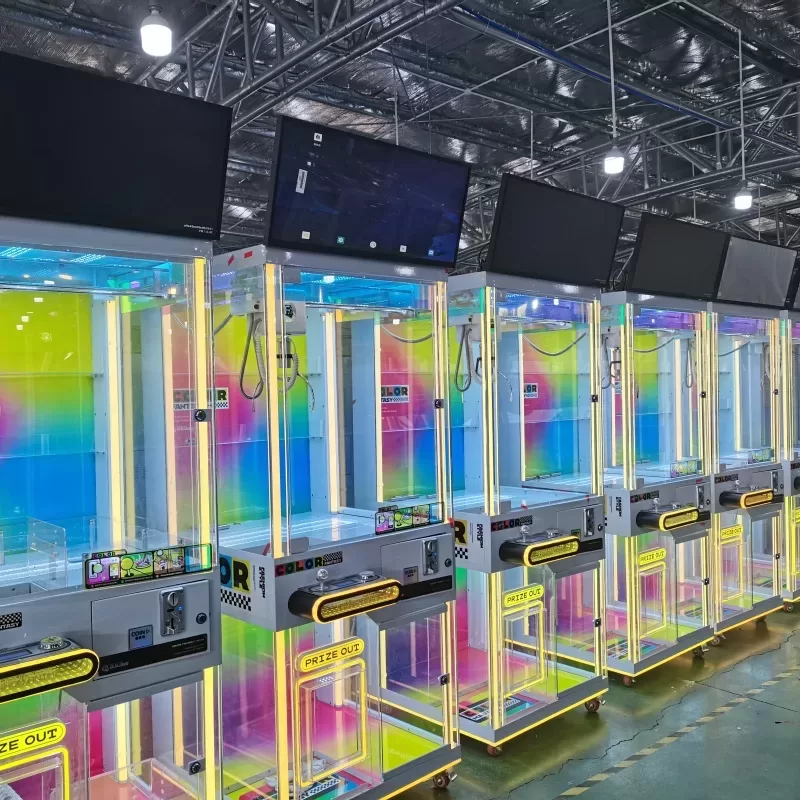
Commercial claw machines can offer extensive customization options for business operators.
Depending on the manufacturer, customization may include:
Cabinet colors
Branding
Logos
Artwork
LED lighting
Machine size
Prize compartment
Claw mechanism
Payment systems
Coin acceptors
Bill acceptors
Card readers
QR code payment systems
OEM and ODM services can also allow businesses to create machines that match their brand or venue.
For operators purchasing multiple machines, customization can be particularly useful for creating a consistent visual style.
8. Which One Requires More Maintenance?
Both claw machines and vending machines require regular maintenance.
For claw machines, operators should regularly check:
Claw mechanism
Motors
Joystick
Buttons
Payment system
LED lighting
Mainboard
Wiring
Glass or acrylic panels
For vending machines, maintenance may include:
Product dispensing mechanisms
Payment systems
Sensors
Cooling systems
Motors
Control boards
Product compartments
The actual maintenance requirements depend on the specific machine design.
Choosing a manufacturer that provides spare parts, technical support, manuals, and after-sales service can make long-term operation easier.
9. Which Business Model Is Better?
There is no universal answer.
A claw machine business may be a better choice if your target location is focused on entertainment and has strong family or youth traffic.
A vending machine business may be more suitable if customers primarily need convenient access to food, drinks, or other products.
If you operate an arcade, shopping mall entertainment area, or family entertainment center, claw machines can also complement other arcade equipment.
For example, an entertainment venue could combine:
Claw Machines + Prize Machines + Arcade Games + Coin Pushers + Other Amusement Equipment
This creates a more complete entertainment environment rather than relying on a single type of machine.
10. Consider a Combination Business Model
You do not necessarily need to choose only one type of equipment.
In some commercial locations, claw machines and vending machines can operate together.
For example, a shopping mall could have claw machines in an entertainment area while vending machines provide drinks or snacks nearby.
This combination can serve two different customer needs:
Claw machine: entertainment and prize-winning experience.
Vending machine: convenient product purchasing.
The best equipment combination depends on the location, available floor space, customer traffic, and business strategy.
11. How to Choose the Right Claw Machine Supplier
If you decide that a claw machine business is right for your location, selecting the right manufacturer is important.
Before placing an order, consider:
Machine quality
Cabinet materials
Claw mechanism
Payment system compatibility
Customization options
Prize capacity
Spare parts availability
Production capability
Packaging
Shipping support
Warranty and after-sales service
Experience with international orders
Buying directly from a claw machine manufacturer can also provide more customization options and direct communication during production.
12. Final Thoughts
When comparing claw machines vs. vending machines, the most important question is not simply which machine is better.
Instead, ask:
What does your customer want?
If customers are looking for entertainment, interaction, prizes, and a fun experience, a commercial claw machine may be a strong choice.
If customers mainly want convenient access to food, drinks, or everyday products, a vending machine may be more suitable.
For arcades, shopping malls, family entertainment centers, and amusement venues, claw machines can be an attractive addition to an entertainment business.
Choosing the right machine, location, prizes, payment system, and supplier can help you build a more suitable business model for your target market.
If you are looking for commercial claw machines, prize machines, or customized arcade equipment, working directly with an experienced manufacturer can help you select suitable machines and customization options for your market.
FAQ
Are claw machines profitable?
The profitability of a claw machine depends on factors such as location, customer traffic, play price, prize cost, machine utilization, rent, revenue sharing, and operating expenses. A good location and appropriate prize strategy are important.
Are claw machines better than vending machines?
Neither is universally better. Claw machines focus on entertainment and customer interaction, while vending machines focus on automated product sales. The better option depends on your location and target customers.
Where can I put a commercial claw machine?
Common locations include shopping malls, arcades, family entertainment centers, cinemas, game centers, restaurants, and other entertainment-oriented venues.
Can claw machines be customized?
Yes. Depending on the manufacturer, commercial claw machines can often be customized in terms of colors, graphics, branding, lighting, cabinet design, machine size, and payment systems.
Can claw machines accept card or QR payments?
Many modern commercial claw machines can be equipped with different payment options, including coin acceptors, bill acceptors, card readers, and QR code payment systems. Availability depends on the machine and target market.
How do I buy claw machines wholesale?
You can contact a claw machine manufacturer or supplier, provide your required quantity, machine type, payment method, destination country, and customization requirements, and request a quotation.