


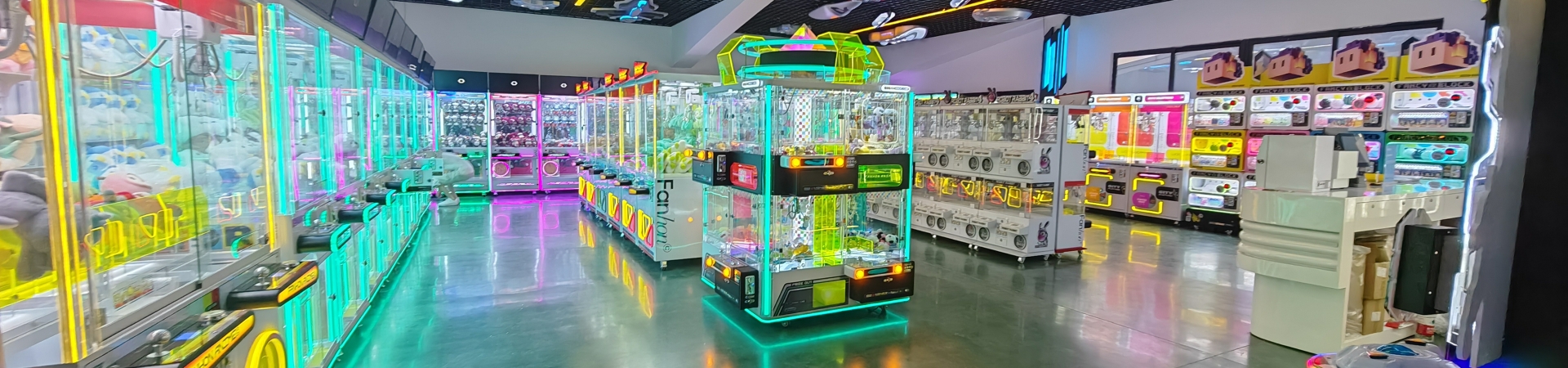
Arcade Machine Augmented Reality and VR Integration Guide: The Next Generation of Arcade Experiences
Arcade machine augmented reality (AR) and virtual reality (VR) integration is the process of adding immersive digital experiences to physical arcade venues. This includes standalone VR gaming stations, VR racing simulators, and AR-enhanced claw machines that blend physical prizes with digital gameplay. For B2B buyers operating family entertainment centers (FECs) and modern arcades, integrating AR and VR can create a major point of differentiation, attract teenagers and young adults, and generate significant social media buzz.
This guide explains how AR and VR technologies are being applied in the arcade industry from a B2B perspective.
Why Invest in AR and VR for Your Arcade?
Traditional arcades face stiff competition from home gaming.
AR and VR help venues:
Offer experiences that cannot be replicated at home
Attract teenagers and young adults
Increase the average spend per visit
Create highly visual, shareable content
Establish the venue as a modern, high-tech destination
Host premium-priced events and tournaments
These technologies turn an arcade into an experiential entertainment center.
Main AR and VR Arcade Applications
There are several ways to integrate these technologies.
| Technology | Application | Target Audience |
|---|---|---|
| VR Arcade Stations | Standalone headsets for multiplayer games | Teens, Adults |
| VR Racing Simulators | Motion-based driving experiences | Teens, Adults |
| AR Claw Machines | Interactive screens overlay digital games on physical prizes | Kids, Families |
| Holographic Displays | 3D visuals for cabinet branding | All ages |
| Projection Mapping | Interactive floor or wall games | Kids, Families |
Each application offers a different level of engagement and complexity.
VR Arcade Stations and Simulators
VR stations are the most common entry point.
Considerations:
Space requirements (dedicated VR zone)
Hygiene (headset sanitization between users)
Staff supervision (safety and onboarding)
Software library (games and experiences)
Power and network infrastructure
VR racing simulators, with motion platforms, offer a premium attraction that commands higher prices.
AR-Enhanced Claw Machines
AR brings a new twist to classic claw machines.
How it works:
A screen overlays digital graphics, characters, or challenges onto the physical prize
Players interact with both the physical claw and the digital interface
Winning can trigger digital bonuses, animations, or jackpot multipliers
These machines appeal to both kids and adults, breathing new life into the traditional claw machine.
Space and Layout Planning for VR/AR
These attractions require specific spaces.
Planning tips:
Allocate a dedicated zone for VR to manage noise and movement
Ensure adequate ceiling height and clearance
Use soft flooring or designated play areas for safety
Create seating for spectators watching VR players
Keep AR claw machines in high-visibility, high-traffic areas
Proper layout prevents crowding and accidents.
Operational and Maintenance Considerations
New tech brings new maintenance needs.
Consider:
Regular cleaning and calibration of VR headsets
Software updates and licensing
Technical support availability from the supplier
Power consumption and network stability
Staff training for basic troubleshooting
VR equipment requires more technical support than traditional arcade cabinets.
Pricing and Revenue Models
VR and AR can command premium pricing.
Models to consider:
Time-based pricing (e.g., $15 for 30 minutes)
Experience-based pricing (e.g., premium VR racing)
Party packages including VR access
AR claw machines at standard or slightly premium play rates
Tournament entry fees
Premium pricing should reflect the value of the immersive experience.
Common AR and VR Integration Mistakes
Operators sometimes make avoidable mistakes:
Underestimating space requirements
Ignoring hygiene protocols for VR headsets
Not training staff on VR safety and setup
Choosing untested or unreliable hardware
Neglecting software licensing and updates
Failing to budget for higher maintenance costs
These mistakes can lead to equipment failure and poor customer experiences.
Practical B2B Insights
From a venue management perspective, AR and VR work best when they are integrated smoothly into the overall arcade flow.
First, start small with one or two VR stations or AR claw machines before building a full VR zone.
Second, focus on hygiene and safety. Customers expect clean headsets and clear safety instructions.
Third, choose machines from suppliers who offer reliable technical support and software updates.
Fourth, use the immersive experience to create social media content.
Fifth, ensure the pricing matches the perceived value and the local market's spending habits.
Frequently Asked Questions
Are VR arcades profitable?
Yes, when positioned as premium attractions with proper pricing and high foot traffic. They command higher prices than traditional games.
Do I need a large space for VR?
VR stations require a dedicated space to avoid noise and ensure player safety. VR racing simulators require more room than standalone headsets.
How do I keep VR headsets hygienic?
Use disposable face masks, sanitize headsets between users, and implement a clear cleaning protocol for staff.
What is an AR claw machine?
An AR claw machine overlays digital elements (like characters or challenges) onto the physical prize, creating a mixed-reality gaming experience.
How much does it cost to add VR to an arcade?
Costs vary widely. Standalone VR stations are cheaper than motion-based simulators. Include space setup, hardware, software, and ongoing licensing costs.
Can I integrate VR into birthday parties?
Yes. VR party packages are highly popular and can justify a premium price.
What are the power requirements for VR equipment?
VR setups require stable power and often a strong internet connection for multiplayer or licensing.
Do I need a technician for VR maintenance?
Yes, VR equipment requires regular maintenance, software updates, and calibration. Basic staff training is needed for daily operations.
Conclusion
Integrating AR and VR into an arcade creates immersive experiences that attract modern audiences and differentiate the venue. From VR racing simulators to AR claw machines, these technologies offer new revenue streams and social media appeal.
For B2B buyers operating arcade equipment, AR and VR integration should be planned with space, safety, and maintenance in mind.
If you are planning an arcade equipment upgrade or exploring next-generation claw machines, contact us for product specifications and wholesale pricing.