


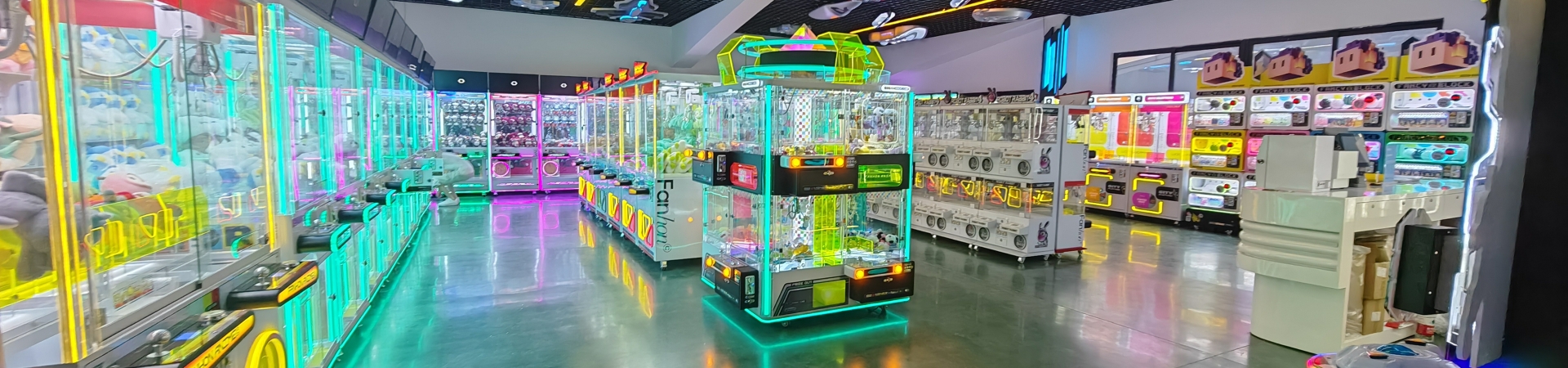
Arcade Machine Prize Redemption System Guide: How to Design and Manage Points and Tickets
An arcade prize redemption system is the structure and process used to award, track, and exchange prizes in a venue. It typically involves machines dispensing physical tickets or digital points, which players accumulate and exchange for larger prizes at a redemption counter or store. For B2B buyers operating claw machines, prize machines, and redemption games, a well-designed redemption system drives repeat play, increases revenue, and creates a highly engaging customer experience. Managing this system effectively is key to balancing player satisfaction with operating costs.
This guide explains the main components and strategies for a successful redemption system from a venue management perspective.
Why a Redemption System Matters
Redemption adds a layer of long-term engagement to arcade play.
Benefits include:
Encourages repeat play to earn more points/tickets
Increases average spend per visit
Appeals to families and children
Creates a structured prize economy
Provides data on player preferences and popular prizes
Supports party and event packages
A good redemption system turns a quick game into a long-term goal.
Core Components of a Redemption System
A functional system requires several parts.
| Component | Purpose |
|---|---|
| Ticket Dispensers | Award physical tickets based on performance |
| Digital Point Systems | Track points on a player card or app |
| Redemption Counter/Store | Where players exchange points for prizes |
| Prize Display | Showcases available prizes to motivate players |
| Point/Ticket Value Structure | Determines how many points are needed for each prize |
| Tracking Software | Manages inventory and redemption rates |
These components must work together seamlessly.
Physical Tickets vs. Digital Points
Operators must choose the right tracking method.
| Feature | Physical Tickets | Digital Points |
|---|---|---|
| Cost | Higher (paper, dispensers) | Lower (software-based) |
| Tracking | Manual counting | Automatic |
| Hygiene | Paper handling | Touchless/Card-based |
| Experience | Nostalgic, tangible | Modern, convenient |
| Integration | Standalone | Works with cashless systems |
Many modern venues are moving toward digital points integrated with cashless cards.
Designing the Prize Counter or Store
The redemption store is a critical touchpoint.
Design considerations:
High visibility from the game floor
Clear and attractive prize display
Easy access for staff to restock
Clear signage showing points required for each prize
Separate line or area for quick redemptions
A "featured prize" display to motivate players
The store should look exciting but remain organized.
Pricing and Point Structure
The point economy must be balanced.
Consider:
Average points earned per play
Cost of prizes to the venue
Desired profit margin
Price per play (coin/card)
Tiered prize levels (small, medium, large, epic)
Ensure that the cost of the prize is adequately covered by the revenue generated to earn it.
Managing Redemption Inventory
Redemption prizes require strict inventory control.
Strategies:
Track prize inventory separately from claw machine prizes
Monitor redemption rates (which prizes are popular)
Reorder high-demand items quickly
Rotate slow-moving prizes
Maintain a buffer stock for peak weekends
Stockouts of popular prizes frustrate players.
Common Redemption System Mistakes
Operators sometimes make avoidable mistakes:
Making prizes too easy or too hard to win
Miscalculating the point-to-prize value
Running out of popular prizes
Poor display of prizes
Slow redemption process
Not integrating digital points with cashless systems
Failing to track inventory accurately
These mistakes can lead to lost revenue or unhappy customers.
Practical B2B Insights
From a venue management perspective, a redemption system works best when it is transparent and rewarding.
First, ensure the point structure is clear to players. Display how many tickets are needed for top prizes.
Second, use a mix of small, instant-win prizes and larger, aspirational prizes.
Third, train staff to handle redemptions quickly and enthusiastically.
Fourth, review redemption data regularly to adjust prize ordering and point values.
Fifth, integrate digital systems with card readers to streamline the player experience.
Frequently Asked Questions
What is an arcade redemption system?
It is a system where players earn tickets or points from games and exchange them for prizes at a counter or store.
Should I use physical tickets or digital points?
Digital points are more modern, easier to track, and integrate well with cashless systems. Physical tickets offer a nostalgic feel.
How do I price redemption prizes?
Balance the cost of the prize with the revenue generated to earn the required points. Use tiered prize levels (small to large).
How do I prevent players from exploiting the system?
Use secure software, monitor play data for anomalies, and ensure machine settings are calibrated correctly.
How do I display prizes effectively?
Use clear, well-lit displays with obvious point labels. Place high-value "aspirational" prizes at eye level to motivate players.
What is a good redemption rate?
Redemption rates vary by game and prize. Track your data to ensure you are maintaining a healthy profit margin.
How do I manage prize inventory?
Track inventory separately, monitor popular items, reorder quickly, and maintain a buffer stock for busy periods.
Can I integrate redemption points with a cashless card?
Yes. Most modern cashless systems support digital point tracking on the same card used to play the games.
Conclusion
An arcade prize redemption system involves ticket dispensers, digital points, prize stores, and inventory management. A well-balanced system drives repeat play and maximizes revenue.
For B2B buyers operating claw machines, prize machines, and redemption games, designing an effective redemption system is essential for long-term success.
If you are planning an arcade equipment order, contact us for product specifications, redemption game recommendations, and wholesale pricing.