


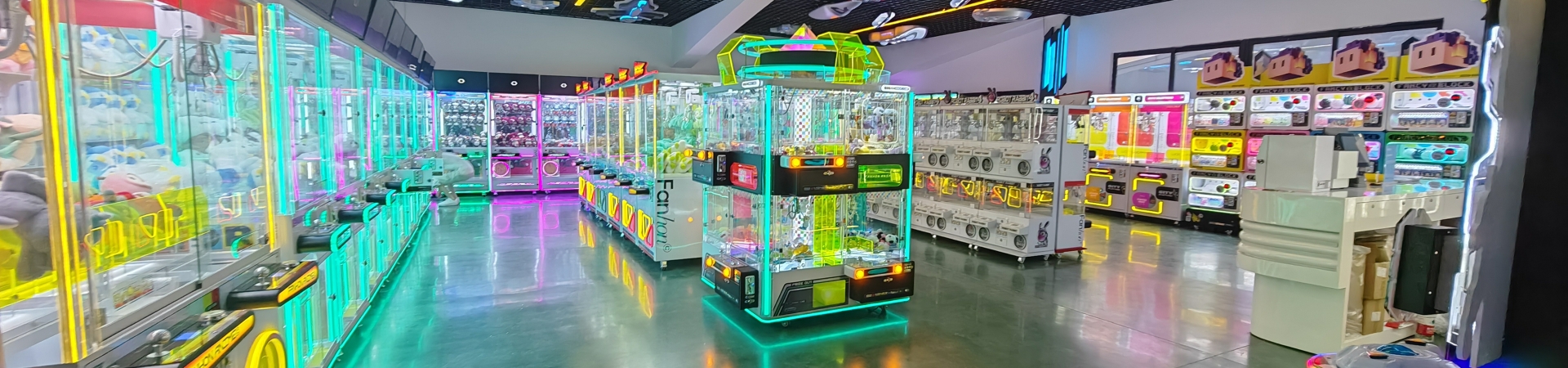
Arcade Machine Cashless System Upgrade Guide: Transitioning from Coins to Cards
An arcade cashless system upgrade is the process of replacing traditional coin-operated payment methods with digital alternatives, such as card readers, QR codes, and mobile payments. For B2B buyers operating claw machines, prize machines, and family entertainment centers, moving to a cashless system can reduce cash handling costs, improve security, and provide valuable data on player behavior. However, the transition requires planning, hardware changes, staff training, and customer communication.
This guide explains how to plan and execute a cashless upgrade from a venue management perspective.
Why Upgrade to a Cashless System?
Cashless systems offer significant advantages for modern arcades.
Key benefits:
Reduced cash handling and theft risk
Lower coin collection and counting costs
Increased average spend per visit (easier to top up cards)
Detailed data on machine performance and player behavior
Remote monitoring and management
Faster transactions and shorter queues
Ability to run targeted promotions and loyalty programs
Cashless is becoming the standard in modern family entertainment centers.
Key Components of an Arcade Cashless System
A cashless setup involves several interconnected parts.
| Component | Function |
|---|---|
| Card Readers / Scanners | Accept payment at the machine |
| Kiosks / Top-Up Stations | Allow customers to load funds onto cards |
| Central Server / Cloud | Manages balances and transaction data |
| Management Software | Tracks revenue, play data, and machine status |
| QR Payment Integration | Accepts mobile payments (WeChat, Alipay, etc.) |
| Network Infrastructure | Connects machines to the system |
Each component must be compatible with your existing arcade machines.
Choosing the Right Cashless Technology
Different markets prefer different cashless methods.
Options to consider:
Rechargeable Cards: Common in FECs. Customers tap to play.
QR Codes: Popular in Asia. Customers scan to pay via mobile app.
Mobile Wallets: Apple Pay, Google Pay, or local wallets.
RFID Wristbands: Often used for parties and events.
Choose based on your local market's payment habits and customer demographics.
Planning the Upgrade Process
A structured plan minimizes disruption.
Upgrade steps:
Evaluate current machines for compatibility
Select the cashless system provider
Order necessary hardware (readers, kiosks)
Install network infrastructure
Configure machines and management software
Test the system thoroughly
Train staff
Launch with customer communication
Running a pilot on a few machines before a full rollout is highly recommended.
Hardware and Machine Compatibility
Not all arcade machines are ready for cashless.
Consider:
Control board compatibility
Power requirements for card readers
Physical space for new hardware
Wiring and network connections
Support from the original machine manufacturer
Always confirm compatibility with your arcade machine supplier before ordering hardware.
Customer Communication and Transition
Customers need to understand the new system.
Communication strategies:
Place clear signage at entrances and top-up kiosks
Train staff to explain the system
Offer a bonus for first-time card top-ups
Provide a grace period where both coins and cards are accepted
Use social media and email to announce the change
A smooth transition reduces frustration.
Staff Training for Cashless Operations
Staff roles change with a cashless system.
Training areas:
How to use the top-up kiosks
How to handle card balance inquiries
How to resolve payment disputes
How to monitor the management dashboard
How to troubleshoot common reader issues
How to handle refunds or credits
Staff should be confident using the new system before launch.
Data and Reporting
One of the biggest advantages of cashless is data.
Use the system to track:
Revenue per machine
Play frequency
Peak hours
Customer spending patterns
Payout rates
Machine faults
Use this data to optimize machine placement, pricing, and promotions.
Common Cashless Upgrade Mistakes
Operators sometimes make avoidable mistakes:
Choosing a system incompatible with existing machines
Poor network infrastructure causing outages
Not training staff properly
Failing to communicate the change to customers
Removing coin options too quickly
Not testing the system thoroughly before launch
Ignoring data security and privacy
These mistakes can lead to lost revenue and customer frustration.
Practical Venue Insights
From a venue management perspective, a cashless upgrade works best when it is phased.
First, run a pilot with a few machines to test the system and gather feedback.
Second, ensure the network is reliable. Cashless systems depend on stable connectivity.
Third, communicate the change clearly to customers and offer incentives to try the new system.
Fourth, train staff thoroughly on troubleshooting and customer service.
Fifth, use the data to make informed decisions about machine placement and promotions.
Frequently Asked Questions
What is a cashless arcade system?
A cashless arcade system uses cards, QR codes, or mobile payments instead of coins to operate machines.
Is cashless better than coins for an arcade?
Cashless reduces cash handling, improves security, and provides data, but requires investment in hardware, network, and staff training.
Can I keep coin acceptors alongside a cashless system?
Yes. Many venues run a hybrid system with both coins and cashless payments during the transition.
How do I choose a cashless system provider?
Look for compatibility with your machines, local payment preferences, reliable support, and a robust management dashboard.
How much does it cost to upgrade to cashless?
Costs vary depending on the number of machines, hardware, software, and network infrastructure. Request quotes from multiple providers.
Do cashless systems work offline?
Some systems have offline modes, but a reliable network connection is recommended for real-time data and balance syncing.
How do I train staff for a cashless system?
Train staff on kiosk operation, balance inquiries, troubleshooting, and the management dashboard before launch.
What data can a cashless system provide?
It can provide revenue per machine, play frequency, peak hours, spending patterns, and machine fault alerts.
Conclusion
An arcade cashless system upgrade involves hardware selection, network setup, machine configuration, staff training, and customer communication. A phased approach reduces disruption and improves the chances of a successful transition.
For B2B buyers operating claw machines, prize machines, and arcade equipment, cashless capability should be considered when ordering new machines or planning venue upgrades.
If you are planning an arcade equipment order, contact us for cashless-compatible machine options, product specifications, and wholesale pricing.