


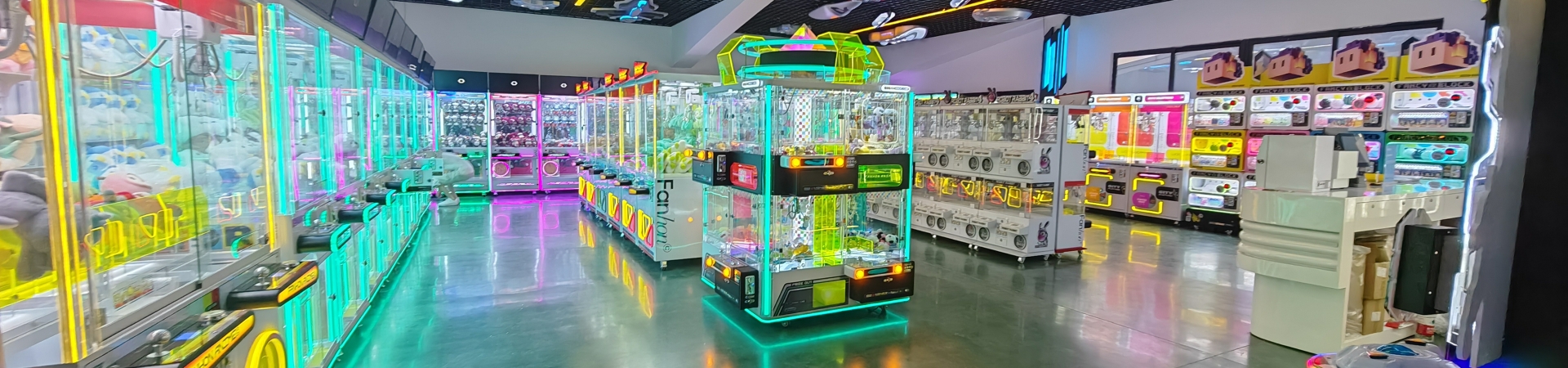
Arcade Machine Esports and Tournament Guide: How to Host Competitive Gaming Events
Arcade esports and tournaments are organized competitive gaming events held within an arcade or family entertainment center. These events can range from casual claw machine challenges to highly competitive video game tournaments. For B2B buyers operating arcade equipment, hosting tournaments is a powerful way to drive foot traffic, increase engagement, and create a loyal community. Tournaments turn passive players into active participants and generate excellent social media content.
This guide explains how to plan, set up, and run successful esports and tournament events from a venue management perspective.
Why Host Tournaments in an Arcade?
Tournaments offer benefits beyond regular daily play.
Key advantages:
Drive traffic during slow periods (e.g., weekday evenings)
Increase average spend per visit
Build a competitive community
Generate user-generated content and social media buzz
Create sponsorship opportunities
Differentiate the venue from standard arcades
A well-run tournament can become a recurring revenue stream.
Types of Tournaments to Host
Venues can host a variety of competitive events.
| Tournament Type | Target Audience | Equipment Needed |
|---|---|---|
| Claw Machine Challenge | All ages, families | Claw machines, high-value prizes |
| Retro Arcade Tournament | Adults, nostalgic gamers | Classic arcade cabinets |
| Racing Game Competition | Teens, young adults | Racing simulators (linked) |
| Fighting Game Tournament | Competitive gamers | Consoles or arcade fighting cabinets |
| Rhythm/Dance Tournament | Teens, young adults | Dance machines |
| High Score Challenge | All ages | Various arcade games |
Start with simpler formats (like claw machine challenges) before moving to complex esports events.
Planning the Tournament Structure
A clear format is essential for a smooth event.
Structure options:
Single Elimination: Fast, but losing players leave quickly.
Double Elimination: More playtime, popular for esports.
Round Robin: Everyone plays everyone, best for small groups.
High Score Format: Players compete over a set time for the highest score.
Consider the game type and player skill level when choosing the format.
Setting Up the Venue for a Tournament
The physical space must support both players and spectators.
Setup considerations:
Dedicated tournament machines or areas
Spectator viewing areas (screens or seating)
Clear player pathways
Live commentary/announcer setup (optional but impactful)
Reliable Wi-Fi (for online brackets or streaming)
Adequate power supply
Make sure regular customers can still play without being disrupted.
Prizes and Sponsorships
Attractive prizes drive participation.
Prize ideas:
Cash pools (for high-stakes events)
High-value plush toys or exclusive merchandise
Arcade play cards or tokens
Trophies and branded merchandise
Sponsorship from local businesses or game publishers
Seek local business sponsors to offset costs and provide better prizes.
Managing Brackets and Registration
Organization prevents chaos on event day.
Use tools:
Tournament bracket software (e.g., Challonge, start.gg)
Online registration forms
Pre-payment for entry fees
Clear rules and code of conduct
Communicate the rules clearly to all participants before the event starts.
Marketing the Tournament
Promotion is key to filling the event.
Marketing channels:
Social media (TikTok, Instagram, Facebook)
Local gaming groups and Discord servers
In-venue signage and staff promotion
Email and SMS to existing customers
Partnerships with local schools or gaming clubs
Create hype with countdown posts and prize reveals.
Staffing and Event Management
Staff roles change during tournaments.
Assign roles:
Tournament Organizer (TO): Manages rules, brackets, and disputes.
Floor Staff: Assists players and manages machine issues.
Cashier/Registration: Handles sign-ups and entry fees.
Commentator/MC: Engages the crowd and announces matches.
Ensure staff are briefed on the rules and schedule.
Common Tournament Mistakes
Operators sometimes make avoidable mistakes:
Poor communication of rules
Delays in the schedule
Unreliable equipment or network
Unclear prize structures
Failing to manage crowd flow
Not promoting the event enough in advance
Ignoring the spectator experience
These mistakes can ruin the event and discourage future participants.
Practical Venue Insights
From a venue management perspective, tournaments work best when they are community-driven.
First, listen to your customers to find out which games they want to compete in.
Second, start small with local, casual tournaments before scaling up to larger events.
Third, ensure the machines are in perfect working order and tested before the event.
Fourth, use high-quality live streaming or commentary to build excitement.
Fifth, create a regular schedule (e.g., the first Friday of every month) so players know when to return.
Frequently Asked Questions
What is arcade esports?
Arcade esports involves organizing competitive gaming tournaments within an arcade setting, ranging from claw machine challenges to video game competitions.
What is the easiest tournament to start with?
A claw machine challenge or a high-score competition on existing machines is the easiest to organize.
How do I manage tournament brackets?
Use free or paid tournament software like Challonge or start.gg to manage brackets, seeds, and schedules automatically.
Should I charge an entry fee?
Entry fees can cover prize pools and event costs, but free entry with a play card purchase can also drive machine revenue.
Where do I find sponsors for my arcade tournament?
Look to local businesses, gaming stores, internet cafes, and local beverage or food brands.
How do I get players to attend my tournament?
Promote on local gaming Discord servers, social media, and through in-venue signage. Partner with local gaming clubs.
What if a machine breaks down during a tournament?
Have a backup machine ready or a technician on standby. Clear rules should also state how technical issues are handled.
How do I build a recurring tournament community?
Host events on a consistent schedule, maintain a leaderboard, and engage players on social media between events.
Conclusion
Hosting arcade esports and tournaments involves planning formats, setting up the venue, managing brackets, securing prizes, and marketing the event. Tournaments build community and drive traffic during off-peak hours.
For B2B buyers operating claw machines, prize machines, and arcade equipment, a tournament strategy should be part of the venue's event calendar.
If you are planning an arcade equipment order, contact us for product specifications, tournament-ready machine recommendations, and wholesale pricing.