


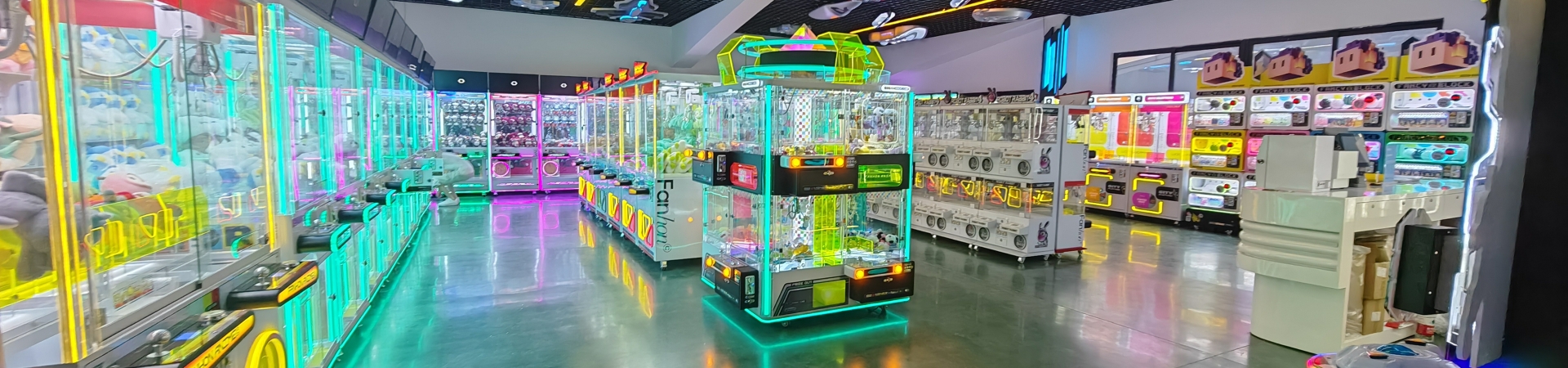
Arcade Machine Crowd Control and Flow Management Guide: Optimizing Customer Movement
Arcade crowd control and flow management involve designing the venue layout and operational procedures to ensure customers can move safely, comfortably, and efficiently through the space. For B2B buyers operating claw machines, prize machines, and family entertainment centers (FECs), high traffic is a sign of success—but it can quickly become a nightmare if not managed properly. Poor flow leads to bottlenecks, frustration, safety hazards, and lost revenue. A well-planned space uses layout, signage, and operational strategies to keep people moving and playing.
This guide explains how to optimize customer flow and manage crowds from a venue planning perspective.
Why Crowd Control and Flow Management Matter
Traffic is good, but only if it can be handled.
Proper crowd control helps venues:
Maximize revenue by keeping machines accessible
Reduce customer frustration and wait times
Prevent safety incidents (e.g., blocked exits, collisions)
Improve the overall guest experience
Allow staff to monitor and assist efficiently
Protect the venue's physical assets
A crowded, chaotic venue drives customers away, even if the games are great.
The Core Principles of Customer Flow
Movement in an arcade should be natural and intuitive.
Key principles:
Clear Paths: Customers should easily see where to go.
Zoning: Separate high-energy, low-energy, and rest areas.
Bottleneck Avoidance: Keep entrances, exits, and prize counters clear.
Visibility: High-demand machines should be visible but not block walkways.
Sightlines: Staff and parents should have clear views of play areas.
Design the space so that people naturally flow from one area to the next.
Layout and Zoning Strategies
Strategic zoning prevents chaos.
| Zone Type | Purpose | Layout Consideration |
|---|---|---|
| Entrance/Exit Zone | Welcoming and moving people in/out | Keep clear of machines and counters |
| High-Energy Zone | Teen games, racing, shooting | Place away from quiet areas |
| Kiddie Zone | Toddler rides, small claw machines | Place near seating and supervision |
| Prize Counter Zone | Redemption and prizes | Provide ample queuing space |
| Rest/Seating Zone | Parents, waiting groups | Place with clear views of play areas |
Zoning contains noise and prevents congestion.
Managing Queues and Wait Times
Queues are a major source of frustration.
Strategies:
Use stanchions or floor decals to organize lines.
Provide clear signage showing wait times or process.
Use digital ticketing or QR codes for redemptions.
Have staff manage lines during peak hours.
Offer "skip the line" digital pre-orders for play cards.
Keep queues moving to maintain a positive mood.
Managing Walkways and Aisles
Walkways must accommodate different users.
Considerations:
Width: Aisles should be wide enough for two people to pass comfortably, plus wheelchairs or strollers.
Obstructions: Keep promotional signs, trash cans, and extra chairs out of main walkways.
Flooring: Use non-slip surfaces and clear floor markings.
Lighting: Ensure walkways are well-lit for safety.
Clear aisles improve both safety and flow.
High-Traffic Machine Placement
Some machines attract crowds.
Placement strategies:
Place popular claw machines and high-profile games near the front or corners to draw traffic.
Do not place the most popular machines in narrow corridors.
Ensure space for spectators around racing simulators or dance machines.
Use barriers or stanchions for machines that generate a crowd.
Manage the crowd around popular attractions.
Staff Roles in Crowd Management
Staff are the frontline of crowd control.
Roles:
Floor Managers: Monitor flow and address bottlenecks.
Front Desk/Cashier: Keep queues moving and answer questions.
Technicians: Quickly resolve machine jams that cause crowds to gather.
Security/Event Staff: Handle large groups or special events.
Empower staff to redirect traffic and manage lines politely.
Safety and Emergency Evacuation
Crowd control is a safety issue.
Checklist:
Clear, unobstructed emergency exits.
Regular checks of fire extinguishers and emergency lighting.
Staff training on evacuation procedures.
Capacity limits enforced (if applicable by local law).
Clear signage for exits and assembly points.
Safety must never be compromised for revenue.
Common Crowd Control Mistakes
Operators sometimes make avoidable mistakes:
Overcrowding the floor with too many machines.
Placing the prize counter in a narrow area.
Failing to manage queues during parties or events.
Allowing promotional signs to block walkways.
Ignoring the need for seating near the kiddie zone.
Not planning for high traffic during holidays.
These mistakes can lead to accidents and negative reviews.
Practical B2B Insights
From a venue management perspective, crowd control works best when it is built into the layout.
First, design the floor plan with wide walkways and clear sightlines.
Second, place the prize counter in a spacious area with a dedicated queue zone.
Third, use staff to manage bottlenecks during peak times.
Fourth, keep aisles clear of obstructions.
Fifth, review traffic flow after opening and adjust layout or signage as needed.
Frequently Asked Questions
How wide should aisles be in an arcade?
Aisles should be wide enough for two people to pass comfortably, plus space for wheelchairs or strollers. A minimum of 1.5 to 2 meters is a good general rule.
How do I manage lines at the prize counter?
Use stanchions, clear signage, and dedicated staff during peak times. Consider digital ticketing to speed up redemptions.
Where should I place popular arcade machines?
Place them in visible areas but not in narrow corridors. Ensure there is space for spectators if the machine draws a crowd.
How do I prevent bottlenecks in the venue?
Avoid placing large machines or promotional signs in walkways. Use zoning to separate different activities.
What should I do during a large event or party?
Designate a dedicated event space, manage group movements with staff, and ensure clear paths to the arcade floor.
How do I handle emergency evacuations in a crowded arcade?
Keep exits clear at all times, train staff on evacuation procedures, and enforce capacity limits.
Do I need security staff for crowd control?
For large venues or special events, dedicated security or crowd management staff can help. Smaller venues can rely on trained floor staff.
How do I improve flow in an existing arcade?
Observe customer movement, identify bottlenecks, clear obstructions, adjust machine placement, and add clear signage.
Conclusion
Arcade crowd control and flow management involve layout design, zoning, queue management, and safety procedures. A well-planned space maximizes revenue and ensures a positive experience.
For B2B buyers operating claw machines, prize machines, and arcade equipment, crowd management should be part of the venue layout planning.
If you are planning an arcade equipment order or need layout recommendations, contact us for product specifications and wholesale pricing.