


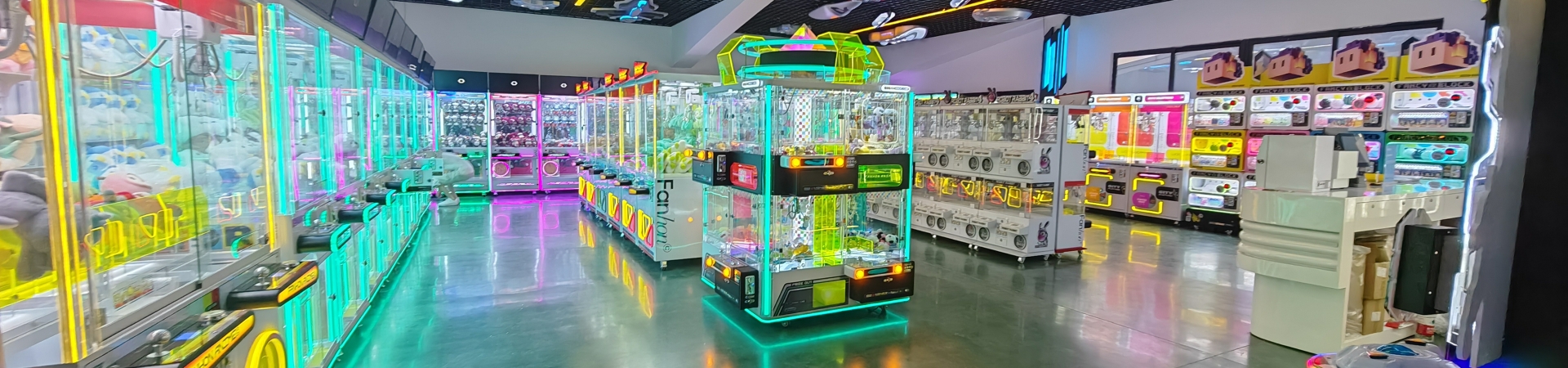
Arcade Machine Inventory Shrinkage and Theft Prevention Guide
Arcade inventory shrinkage and theft prevention involve the strategies and systems used to protect physical assets—prizes, cash, tokens, and equipment—from loss, theft, or damage. For B2B buyers operating claw machines, prize machines, and family entertainment centers (FECs), shrinkage can severely impact profit margins. Losses can come from external sources (customer theft, break-ins) or internal sources (employee theft, administrative errors). A robust loss prevention plan combines physical security, operational controls, and a strong company culture.
This guide explains how to protect your venue's assets from a management perspective.
Why Shrinkage Prevention Matters
Shrinkage directly reduces profitability.
Common causes of loss:
Customer theft of prizes or cash
Employee theft (cash handling, prize skimming)
Machine tampering (coin jams, claw manipulation)
Administrative errors in inventory tracking
Vendor fraud
Break-ins or vandalism
Every dollar lost to shrinkage comes directly out of your net profit.
Understanding Internal vs. External Theft
Losses originate from two main sources.
| Theft Source | Examples | Prevention Focus |
|---|---|---|
| External | Customers breaking into cash boxes, stealing prizes, vandalizing machines | Physical security, surveillance, layout |
| Internal | Employees stealing cash, giving away free plays, taking prizes | Access control, audits, background checks |
Internal theft is often more costly and harder to detect than external theft.
Physical Security for Machines and Cash
The first line of defense is physical.
Consider:
High-quality locks on cash boxes, prize chutes, and machine doors.
Key control systems (only authorized staff hold keys).
Anti-tamper mechanisms on coin/credit systems.
Secure anchoring of machines to the floor or walls.
CCTV coverage on all high-value machines and cash handling areas.
Make it difficult for thieves to access assets quickly.
Securing Prize Inventory
Prizes are a major target for theft.
Strategies:
Keep high-value prizes in locked storage, not on the floor.
Limit staff access to prize storage.
Use clear, tamper-evident packaging for certain prizes.
Monitor prize consumption rates. A sudden spike might indicate theft.
Secure claw machine prize chutes to prevent "fishing" (using tools to pull prizes out).
Inventory accuracy is key to spotting theft.
Cash and Payment Security
Cash handling requires strict protocols.
Best practices:
Use a two-person rule for cash collection and counting.
Use locked cash bags and drop safes.
Reconcile machine meter readings with cash collected daily.
Reduce cash on hand by moving to cashless payments.
Vary the times of cash collection to prevent pattern recognition by thieves.
Consistency in cash control reduces opportunity.
Employee Screening and Access Control
Internal controls start with hiring.
Consider:
Conduct background checks where legal and appropriate.
Implement strict access controls (keycards, codes) for storage and cash rooms.
Restrict employee discounts or free play privileges to specific, approved uses.
Use CCTV monitoring in cash rooms and prize storage (with proper disclosure).
Train staff on security policies and enforce them consistently.
A culture of accountability reduces internal theft.
Machine Tampering Prevention
Thieves use various methods to cheat machines.
Prevention techniques:
Use modern, tamper-resistant payment systems.
Check coin acceptors and bill validators regularly for "stringing" devices.
Monitor machine error codes that indicate forced entry or jams.
Lock down software settings so customers cannot change them.
Ensure claw strength and payout settings are locked and only adjustable by management.
Regular maintenance checks can reveal signs of tampering.
Conducting Audits and Spot Checks
Regular audits detect discrepancies early.
Audit practices:
Conduct unannounced cash counts.
Perform regular prize inventory audits.
Compare machine play data (if available via cloud) with physical collections.
Review CCTV footage randomly.
Use a simple variance report to track losses over time.
The goal is to create a system where theft is difficult and easily detected.
Common Shrinkage Prevention Mistakes
Operators sometimes make avoidable mistakes:
Using cheap, easily broken locks.
Allowing all staff to have keys to everything.
Not reconciling cash collections with machine meters.
Ignoring small discrepancies (they may indicate bigger issues).
Failing to secure prize chutes against "fishing."
Not training staff on loss prevention.
Overlooking the need for random audits.
These mistakes create opportunities for theft.
Practical B2B Insights
From a venue management perspective, shrinkage prevention works best when it is layered.
First, use strong physical locks and secure high-value prizes.
Second, implement a strict cash reconciliation system and compare it to machine data.
Third, control key access and limit staff exposure to cash and prizes.
Fourth, use CCTV as a deterrent and an investigation tool.
Fifth, conduct regular, unannounced audits to keep staff accountable.
Frequently Asked Questions
What is inventory shrinkage in an arcade?
Shrinkage is the loss of inventory (prizes, cash, tokens) due to theft, fraud, error, or damage.
How do I prevent claw machine theft?
Use secure locks, anti-tamper mechanisms, lock prize chutes, and monitor for "fishing" tools.
How do I stop employee theft?
Use access controls, background checks, strict cash handling procedures, and regular audits.
How often should I audit prize inventory?
Perform spot checks weekly and full audits monthly, depending on volume.
Should I use CCTV in my arcade?
Yes, CCTV deters theft and helps investigate incidents. Place cameras on machines, cash areas, and storage.
How do I reconcile cash with machine data?
If you have connected machines, compare machine revenue reports with physical cash counts daily.
What is "fishing" in a claw machine?
It's a method where players use tools (wire, tape) to pull prizes out of the chute without playing.
How do I secure high-value prizes?
Store them in locked cabinets, limit staff access, and use tamper-evident packaging if needed.
Conclusion
Arcade inventory shrinkage and theft prevention involve physical security, cash controls, inventory audits, and access management. Protecting assets requires a combination of systems and vigilance.
For B2B buyers operating claw machines, prize machines, and arcade equipment, a strong loss prevention strategy protects profitability.
If you are planning an arcade equipment order, contact us for secure machine options, product specifications, and wholesale pricing.