


Arcade Game Categories Guide: How to Choose the Right Games for Your Venue
Arcade game categories are the different types of commercial arcade equipment available to venue operators, including claw machines, prize machines, racing games, shooting games, sports games, music games, and redemption games. For B2B buyers planning an arcade or family entertainment center, the right mix of game categories determines the venue's appeal to different age groups, its revenue potential, and its maintenance requirements. Choosing the right games is not about buying the most expensive machines; it is about matching equipment to the target customers and available space.
This guide explains the main arcade game categories from a manufacturer's perspective and how to choose the right mix for your venue.
Why Arcade Game Categories Matter
A balanced game mix attracts a wider audience and improves the customer experience.
Choosing the right categories helps:
Attract different age groups
Balance active and passive games
Manage floor space efficiently
Balance maintenance needs
Create an attractive venue layout
Match the business model (coin-drop vs. redemption)
A venue with only one type of game may not appeal to a broad audience.
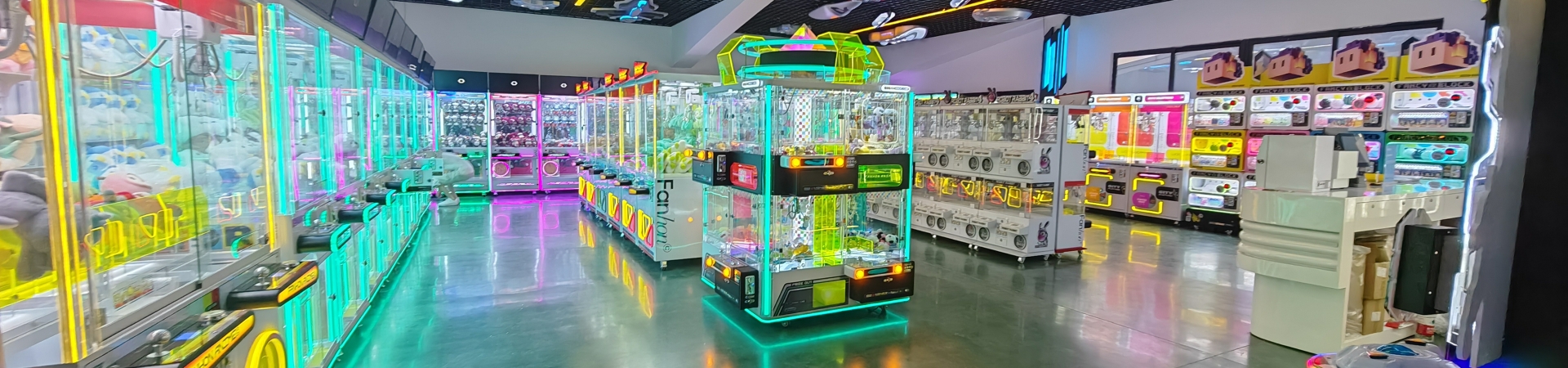
1. Claw Machines and Prize Vending
Claw machines and prize vending games are skill-based attractions.
Characteristics:
High visual appeal
Prize-driven engagement
Attractive to children, families, and casual players
Relatively compact footprint
Mechanical maintenance required
These machines are often placed near entrances or high-traffic areas to attract attention.
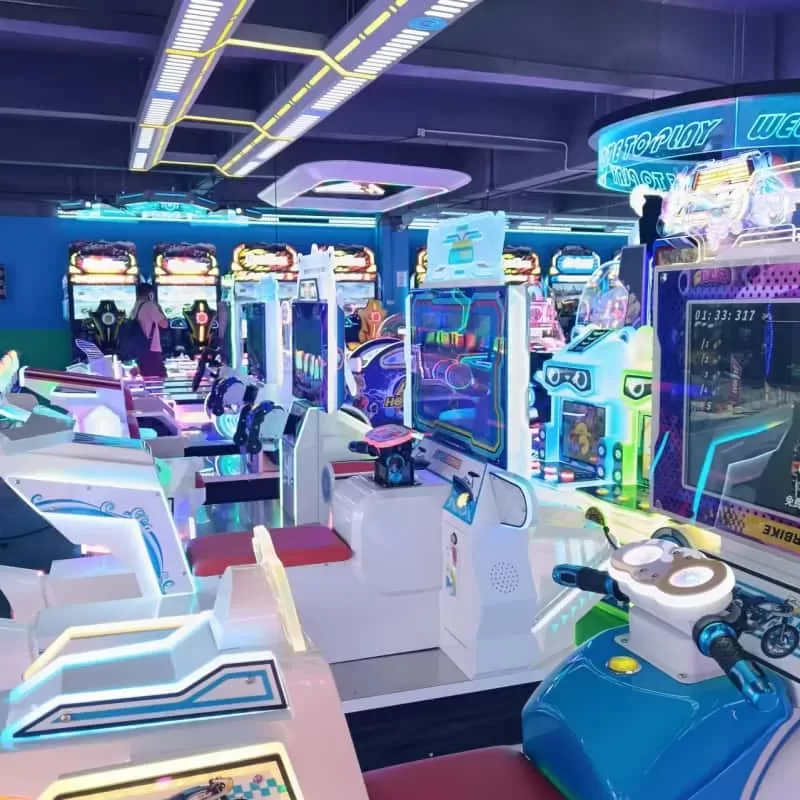
2. Racing Games
Racing games simulate driving or racing experiences.
Characteristics:
High appeal to teenagers and young adults
Seated play
Screen-based with physical controls
Often linked for multi-player competition
Higher initial cost and power consumption
Racing games can be anchor attractions in the venue.
3. Shooting Games
Shooting games involve aiming and shooting at targets.
Characteristics:
Competitive and engaging
Appeal to teenagers and adults
Screen-based with light guns or specialized controllers
Fast-paced action
Good for group play
Shooting games often work well next to racing games.
4. Sports and Action Games
Sports and action games simulate physical activities.
Examples:
Basketball machines
Boxing machines
Air hockey
Skiing or snowboarding simulators
Characteristics:
High physical engagement
Good for group and family play
Often competitive
Larger footprints (especially basketball and air hockey)
These games encourage physical interaction and social play.
5. Music and Dance Games
Music and dance machines focus on rhythm and movement.
Characteristics:
Appeal to teenagers and young adults
High social media appeal
Often large and heavy
High noise and lighting impact
Strong for group and spectator experiences
Music and dance games can become the centerpiece of a social gaming area.
6. Redemption and Ticket Games
Redemption games award tickets or points that can be exchanged for prizes.
Characteristics:
Extremely popular in family entertainment centers
Appeal to children and families
Require a redemption counter and prize display
Often simpler to maintain than complex video games
Strong revenue potential in the right setting
A redemption area often drives repeat visits and family spending.
7. Children's Amusement Rides
Children's rides are designed for younger players.
Examples:
Mini carousels
Small train rides
Kiddie cranes
Simple interactive games
Characteristics:
Target toddlers and young children
Low-to-medium cost
Often placed in family zones
Safe and simple operation
These machines help create a family-friendly environment.
How to Choose the Right Game Mix
Choosing the right categories depends on several factors.
| Factor | Consideration |
|---|---|
| Target audience | Children, teenagers, families, or adults |
| Venue size | Large machines require more space |
| Budget | High-end games cost more |
| Maintenance capacity | Some games require specialized repairs |
| Location | Family mall vs. nightlife area |
| Revenue model | Coin-drop vs. redemption tickets |
| Competition | What nearby venues offer |
A mix of categories usually provides the best balance.
Balancing Active and Passive Games
A good venue includes both active and passive games.
Active games:
Racing
Shooting
Basketball
Dance
Passive games:
Claw machines
Prize vending
Redemption games
Balancing these types helps manage noise levels, physical space, and customer flow.
Space and Power Considerations
Different game categories require different space and power.
Consider:
Machine footprint
Player movement space
Power consumption
Heat generation
Noise levels
Seating requirements
Large games like dance machines or racing simulators need more power and space than claw machines.
Common Mistakes in Choosing Arcade Games
Operators sometimes make avoidable mistakes:
Buying only one category
Ignoring the target audience
Overinvesting in large specialty machines
Forgetting maintenance requirements
Not planning for redemption prizes
Underestimating power and space needs
Copying competitors without market analysis
These mistakes can reduce venue appeal and profitability.
Practical Manufacturer Insights
From a manufacturer's perspective, the best game mix matches the customer profile and venue design.
First, start with proven categories like claw machines and prize machines, then add larger attractions as budget and space allow.
Second, group similar games together to create zones (e.g., a family prize zone vs. a competitive gaming zone).
Third, consider maintenance. Complex games may require specialized spare parts and technical support.
Fourth, ensure voltage and payment systems match the destination market.
Fifth, buy from a manufacturer that offers multiple game categories to simplify sourcing and shipping.
Frequently Asked Questions
What are the main categories of arcade games?
The main categories include claw machines, prize machines, racing games, shooting games, sports games, music and dance games, redemption games, and children's rides.
How do I choose the right arcade game mix?
Match the game mix to your target audience, venue size, budget, and maintenance capacity. Balance active and passive games.
What games are best for a family entertainment center?
Family entertainment centers usually benefit from claw machines, prize machines, redemption games, and children's rides.
What games are best for teenagers and adults?
Racing games, shooting games, music games, and sports games often appeal to teenagers and adults.
How much space do I need for different arcade games?
Space depends on the machine type. Claw machines need less space, while racing and dance machines require larger footprints and player space.
How do I balance active and passive games in my venue?
Place active games in dedicated zones to manage noise, and place passive games like claw machines in high-traffic areas.