

Arcade Machine Distributorship Guide: How to Become an Arcade Equipment Distributor
An arcade machine distributor is a business that purchases commercial arcade equipment from manufacturers and sells it to local arcades, family entertainment centers (FECs), and other operators. Becoming a distributor involves sourcing reliable machines, managing inventory, arranging local logistics, providing technical support, and building a B2B sales network. For entrepreneurs with logistics and sales experience, an arcade equipment distributorship can be a scalable business model.
This guide explains the key steps to becoming an arcade machine distributor from a manufacturer's perspective.
Why Become an Arcade Machine Distributor?
The amusement industry has ongoing demand for equipment.
Distributors can benefit from:
Recurring B2B sales
Long-term relationships with venues
Opportunities to supply spare parts and prizes
OEM and ODM branding options
Scalable business growth
Distributors bridge the gap between manufacturers and local operators.
Distributor vs. Dealer vs. Operator
It is important to understand the different roles in the arcade industry.
| Role | Function |
|---|---|
| Manufacturer | Produces the machines and provides OEM/ODM services |
| Distributor | Buys in bulk, holds inventory, supplies dealers or large venues |
| Dealer | Sells directly to smaller local venues, often without large inventory |
| Operator | Owns and operates machines in venues for end-user revenue |
Some businesses perform multiple roles, such as distributing and operating equipment.
Step 1: Define Your Target Market
Before sourcing, define who you will sell to.
Consider:
Family entertainment centers (FECs)
Shopping mall arcades
Cinemas and bowling alleys
Independent venue owners
Smaller local dealers
Your target market determines the machine types, price points, and services you need to offer.
Step 2: Find a Reliable Arcade Machine Manufacturer
Sourcing directly from a factory is usually the best approach for distributors.
Look for manufacturers that offer:
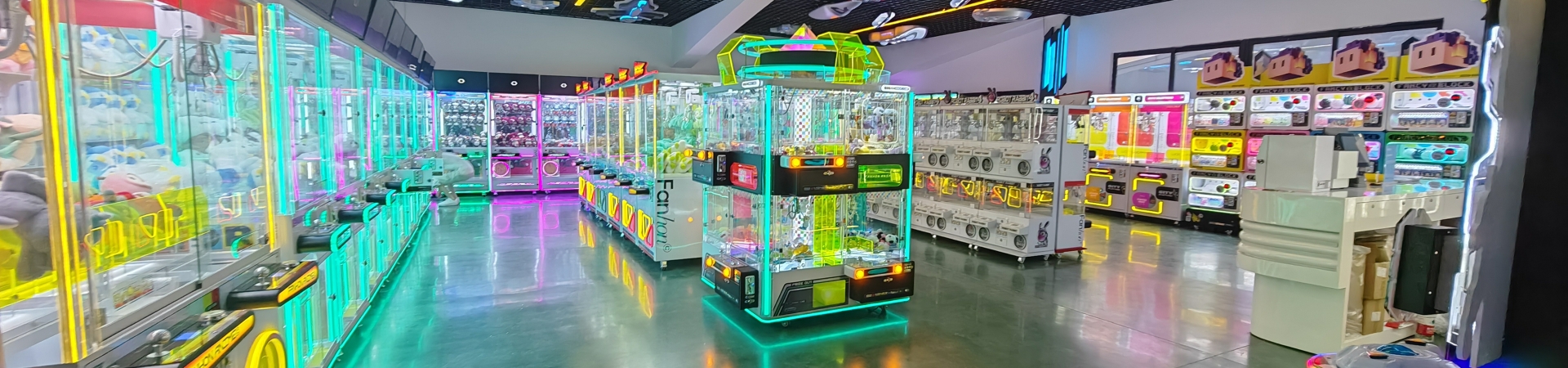
Multiple machine categories (claw machines, prize machines, arcade games)
Stable production capacity
Export experience
OEM/ODM services
Spare parts support
Technical documentation
A direct factory partnership allows you to negotiate wholesale pricing and customization.
Step 3: Determine Your Product Mix
Distributors need a product mix that matches local demand.
Common categories include:
Claw machines
Prize machines
Gashapon machines
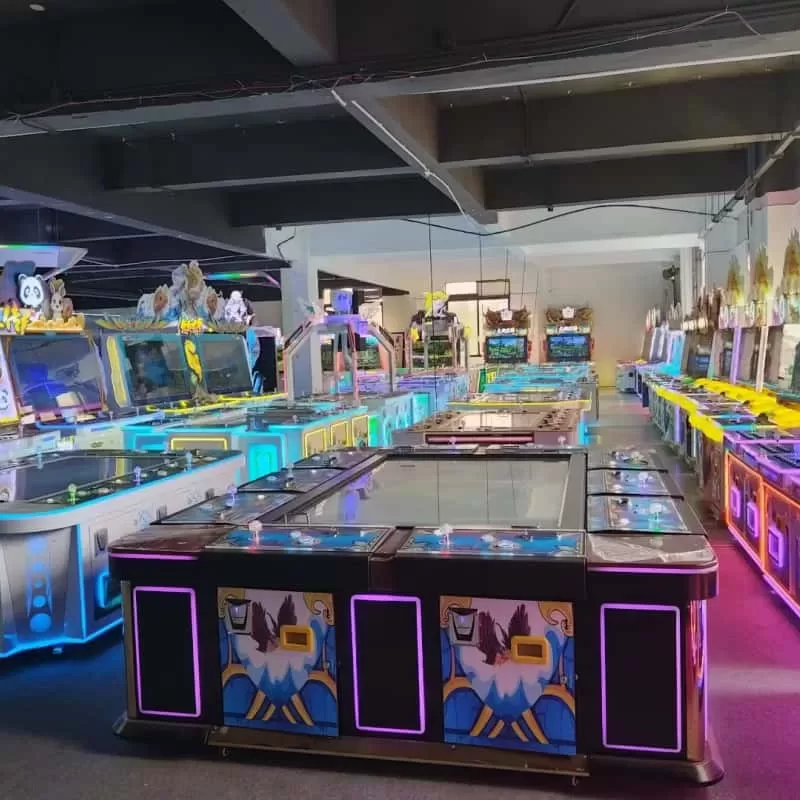
Redemption games
Racing and shooting games
Air hockey
It is often better to start with proven, high-demand categories before expanding to expensive specialty machines.
Step 4: Arrange Local Compliance and Voltage
Machines must match local electrical and safety standards.
Consider:
Correct voltage and plug type
Local safety certifications (e.g., UL, CE, SASO)
Language settings on screens
Local payment system compatibility
Importing machines without correct configurations can lead to installation issues and returns.
Step 5: Plan Your Warehouse and Inventory
If you act as a true distributor, you will hold inventory.
Consider:
Warehouse space
Racking and storage
Shipping and receiving equipment
Packaging removal
Spare parts storage
Managing inventory requires capital. Some distributors use a drop-shipping or pre-order model to reduce stock risk.
Step 6: Stock Essential Spare Parts
Spare parts support is a key advantage a distributor can offer.
Common parts to stock:
Control boards
Motors
Claw assemblies
Buttons and joysticks
LED lights
Payment system components
Providing fast local spare parts service can help you win long-term venue contracts.
Step 7: Build B2B Sales Channels
Distributors need a clear sales strategy.
Potential channels:
Direct sales team
Local trade shows
Industry events
Online B2B platforms
Partnerships with venue planners and designers
Referrals from existing operators
Branding your distributorship as a reliable, service-oriented supplier is critical.
Step 8: Offer Technical Support and Installation
Many venues need help setting up machines.
Services you can offer:
Delivery and installation
Machine testing and configuration
Staff training
Basic troubleshooting support
After-sales coordination with the factory
Service capabilities often differentiate distributors more than machine price.
OEM and Private Label Opportunities
Distributors can build their own brand using OEM/ODM services.
Options include:
Custom logo on the cabinet
Custom packaging
Custom color schemes
Private label manuals and guides
This helps distributors build brand equity rather than competing only on price.
Common Distributorship Mistakes
New distributors sometimes make avoidable mistakes:
Sourcing from too many different factories
Ignoring local voltage and payment compatibility
Underestimating spare parts demand
Choosing machines without considering local demand
Not offering installation or technical support
Failing to check manufacturer reliability
Holding too much slow-moving inventory
Neglecting local certifications
These mistakes can strain cash flow and reputation.
Practical Manufacturer Insights
From a manufacturer's perspective, successful distributors share a few common traits.
First, they order machines with the correct local voltage and payment systems. This prevents installation failures.
Second, they order spare parts with their initial machine shipments. Having parts locally allows them to offer faster repairs.
Third, they focus on a specific market segment or region rather than trying to sell everything everywhere.
Fourth, they build strong relationships with a reliable factory. Consistent quality and communication are more valuable than the lowest price.
Fifth, they understand that service (installation, training, support) is part of the product.
Frequently Asked Questions
What is an arcade machine distributor?
An arcade machine distributor is a business that buys commercial arcade equipment from manufacturers and sells it to local venues, dealers, or operators.
How much does it cost to become an arcade distributor?
Costs include machine inventory, warehouse space, logistics, spare parts, and marketing. Some distributors start with a focused product mix to manage initial investment.
Do I need a warehouse to be a distributor?
Not always. Some distributors use a drop-shipping or pre-order model. However, holding inventory and spare parts can help you serve customers faster.
Can I put my own logo on the machines?
Yes. Many manufacturers offer OEM services, allowing distributors to apply their own logo, colors, and branding to the machines.
What is the profit margin for arcade machine distributors?
Margins vary by machine type, market, and volume. Distributors typically make profit through wholesale pricing, volume sales, and value-added services like installation and spare parts.
Is spare parts support important for a distributor?
Yes. Fast access to spare parts is a major advantage for distributors and helps build long-term relationships with venue operators.
How do I find a reliable manufacturer?
Look for manufacturers with direct factory capabilities, export experience, multiple product categories, OEM/ODM services, and clear communication.
What documents do I need to import machines?
Common documents include commercial invoices, packing lists, bills of lading, and compliance certifications. Requirements vary by country.
Conclusion
Becoming an arcade machine distributor involves defining your target market, finding a reliable manufacturer, planning inventory, stocking spare parts, and providing technical support. Service and reliability are often more important than price alone.
For B2B buyers looking to build a distributorship, working with an experienced arcade machine manufacturer can simplify sourcing, customization, and after-sales support.
If you are planning to become an arcade equipment distributor, contact us to discuss wholesale pricing, OEM/ODM options, spare parts support, and shipping schedules.