


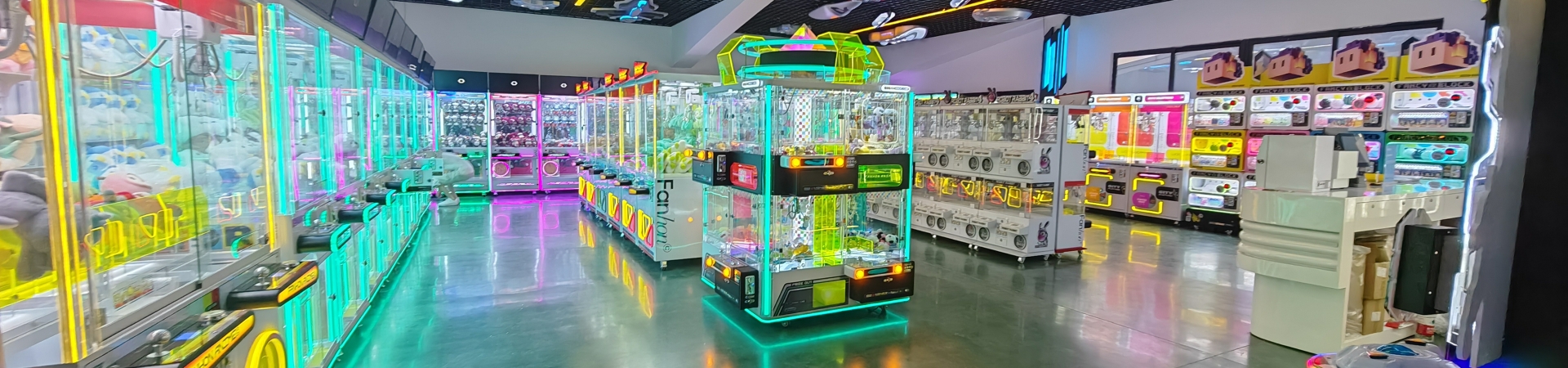
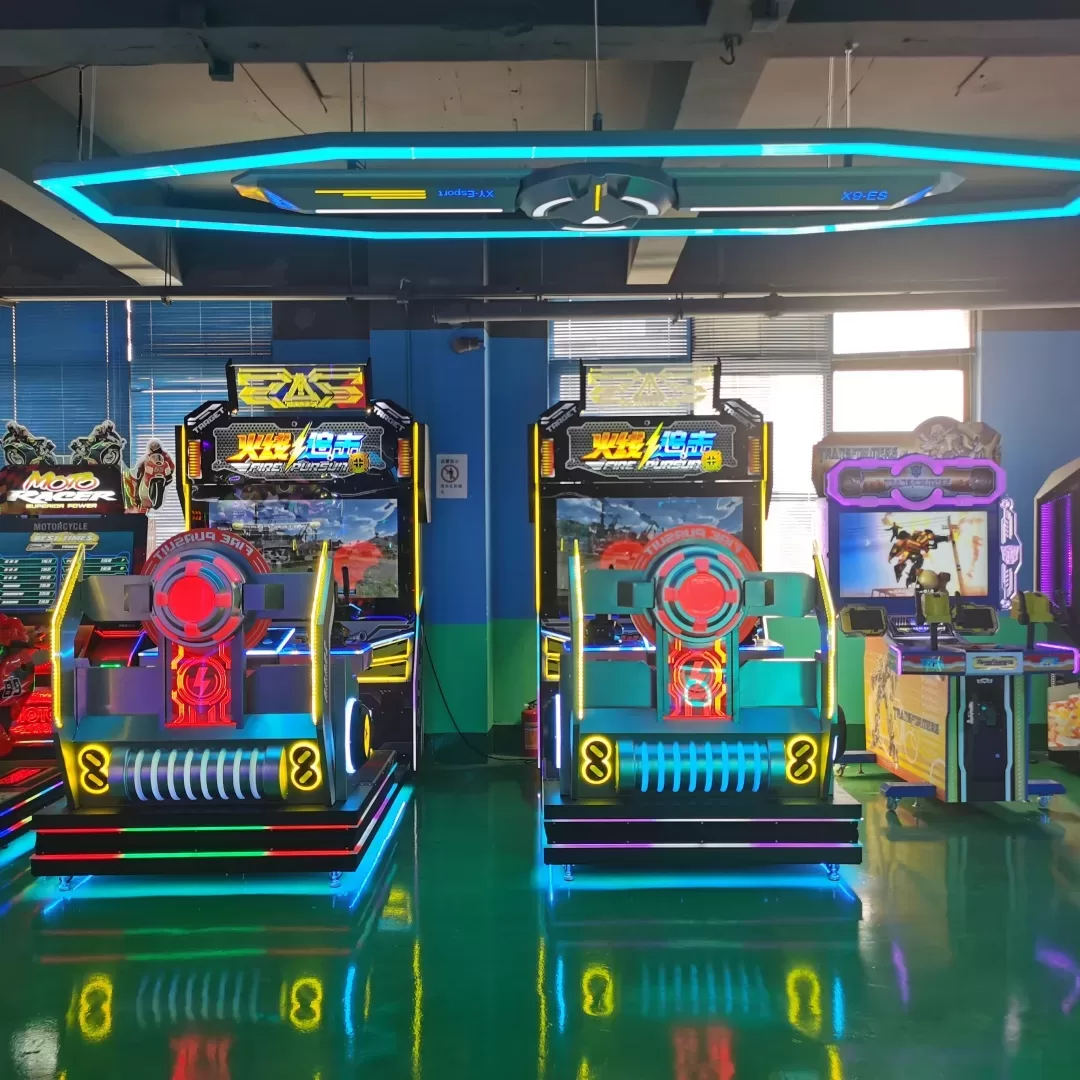
Arcade Machine Game Settings and Payout Guide: Balancing Player Experience and Revenue
Arcade machine game settings and payout determine how difficult a game is, how often players win, and how profitable the machine is for the operator. For claw machines, this includes claw strength, descent speed, lift height, and game time. For other arcade games, it may include difficulty level, ticket payout, or bonus frequency. Balancing these settings is important because a machine that is too difficult may frustrate players, while a machine that is too easy may reduce revenue.
This guide explains the main settings and payout considerations from a manufacturer's perspective.
Why Game Settings Matter
Game settings directly affect player experience and business performance.
Settings affect:
Player satisfaction
Repeat play
Prize payout cost
Machine revenue
Perceived fairness
Machine reputation
The right settings balance challenge, reward, and profitability.
Main Claw Machine Settings
Claw machines have several adjustable settings.
| Setting | Function |
|---|---|
| Claw strength | Controls how firmly the claw grips |
| Descent speed | Controls how fast the claw moves down |
| Lift height | Controls how high the claw lifts |
| Claw closing speed | Controls how fast the claw closes |
| Game time | Limits the time per play |
| Prize payout rate | Affects how often players win |
| Sound and lighting | Affects player feedback |
Settings should match prize type, machine model, and target customers.
Claw Strength
Claw strength is one of the most important settings.
Consider:
Prize weight
Prize grip surface
Target difficulty
Payout cost
Player expectations
A claw that is too weak may not lift prizes. A claw that is too strong may increase payout cost. The right setting depends on the prize and business model.
Descent Speed and Claw Closing Speed
Speed settings affect player experience.
Consider:
Descent speed: fast or slow
Claw closing speed: quick grab or slower grip
Lift speed: smooth or dramatic
Player perception of skill
Speed should feel natural and consistent with the machine design.
Game Time
Game time limits the duration of each play.
Consider:
Time needed to position the claw
Time needed to grab and lift
Player skill level
Price per play
Game time should be long enough for a fair chance but short enough to maintain machine throughput.
Prize Payout Rate
Payout rate affects prize cost and player satisfaction.
Consider:
Prize cost
Price per play
Target margin
Player expectations
Local market norms
Payout should be set based on the business model and prize selection.
Difficulty and Player Experience
Difficulty affects player engagement.
Consider:
Beginner vs experienced players
Target age group
Prize type
Machine reputation
A machine that is too difficult may reduce repeat play. A machine that is too easy may reduce revenue.
Settings for Different Player Groups
Different players need different settings.
| Player Group | Setting Consideration |
|---|---|
| Children | Easier settings, appealing prizes |
| Teenagers | Moderate difficulty, trendy prizes |
| Families | Balanced difficulty, family-friendly prizes |
| Adults | Challenging settings, higher-value prizes |
Settings should match the target audience.
How to Test and Adjust Settings
Settings should be tested in the venue.
Steps:
Set initial parameters
Test with actual prizes
Observe player behavior
Review payout and revenue
Adjust settings as needed
Document final settings
Testing helps confirm that the settings work in real conditions.
Settings and Prize Selection
Game settings and prize selection should be planned together.
Consider:
Prize weight and size
Prize grip
Prize value
Prize payout cost
Prize rotation
A prize that is too heavy or slippery may require different settings.
Settings and Revenue
Settings affect revenue.
Consider:
Price per play
Payout rate
Prize cost
Play frequency
Repeat play
A balanced setting can support both player satisfaction and revenue.
Common Settings Mistakes
B2B buyers sometimes make avoidable mistakes:
Setting claw strength without testing prizes
Making the game too difficult
Making the game too easy
Ignoring prize cost
Not reviewing player feedback
Using factory settings without adjustment
Not documenting settings
Changing settings too often
These mistakes can reduce player satisfaction and revenue.
Practical Manufacturer Insights
From a manufacturer's perspective, settings work best when they are tested with actual prizes and players.
First, claw strength should be set according to prize weight and grip. A setting that works for one prize may not work for another.
Second, game time should be long enough for a fair chance but short enough to maintain throughput.
Third, payout rate should be reviewed regularly based on prize cost and revenue.
Fourth, settings should be documented. This helps maintain consistency and support future adjustments.
Fifth, player feedback should be considered. A machine that feels unfair may lose repeat play.
Frequently Asked Questions
How do I set claw strength on a claw machine?
Claw strength should be set based on prize weight, grip surface, target difficulty, and payout cost. Test with actual prizes before finalizing.
What is a good payout rate for a claw machine?
Payout rate depends on prize cost, price per play, target margin, and local market norms. It should be set based on the business model.
How long should a claw machine game last?
Game time should be long enough for a player to position the claw and attempt a grab, but short enough to maintain machine throughput.
Can I adjust game settings after installation?
Yes. Many machines allow settings to be adjusted. Changes should be tested and documented.
How do I balance difficulty and player satisfaction?
Test with actual prizes, observe player behavior, and adjust based on feedback and revenue data.
What prizes work best with different settings?
Prize weight, size, shape, and grip affect how the claw performs. Settings should match the prize type.
Should I use factory default settings?
Factory settings are a starting point. They should be tested and adjusted for the venue, prizes, and target customers.
How do I document game settings?
Record the settings for each machine, including claw strength, game time, and payout rate. Update records when changes are made.
Conclusion
Arcade machine game settings and payout affect player experience and revenue. For claw machines, key settings include claw strength, descent speed, game time, and payout rate. Settings should be tested with actual prizes and adjusted based on player behavior and business goals.
For B2B buyers operating claw machines, prize machines, and arcade equipment, balancing difficulty, reward, and cost helps support long-term success.
If you are planning an arcade equipment order, contact us for machine settings, product specifications, and wholesale pricing.